Straight Edge concert
© The Band Spiral at Oettinger Villa, Darmstadt, 2024, Photo: Josi Hoffmann

The SCHIRN in 2026

Diverse exhibitions, artistic interventions in outdoor spaces and a unique anniversary week celebrating its 40th anniversary: that’s what 2026 will look like at the SCHIRN!
Lorem ipsum

The SCHIRN will be celebrating its 40th anniversary in 2026. Since its opening in 1986, it has become one of today’s most prestigious exhibition locations for modern and contemporary art in Europe. The iconic postmodern SCHIRN building in the Frankfurt city center will be undergoing a energy-efficient renovation during its jubilee year. In the meantime, the SCHIRN will be presenting its program temporarily, until 2028, in the factory building of the former Dondorf printing works in Frankfurt’s Bockenheim district. Save the date: the SCHIRN will be celebrating its milestone birthday on May 8–10, 2026, with a big jubilee weekend!

During 2026 a series of artistic interventions will also be initiated in the outdoor spaces of the SCHIRN in Bockenheim. The theme is the temporary phase of interim use and precisely this state of transition and transience.

In addition, a superb exhibition program also awaits visitors in 2026: exhibitions featuring striking audiovisual works that explore socio-political resistance within music and youth movements; exhibitions examining the serial revolution through the work of Thomas Bayrle; exhibitions with a multifaceted perspective on our relationship with AI; ecofeminist, utopian–apocalyptic visions of the future of our environment; and the major retrospective of Leonor Fini.

Bárbara Wagner und Benjamin de Burca. The Tunnels We Dig

January 29 – April 26, 2026

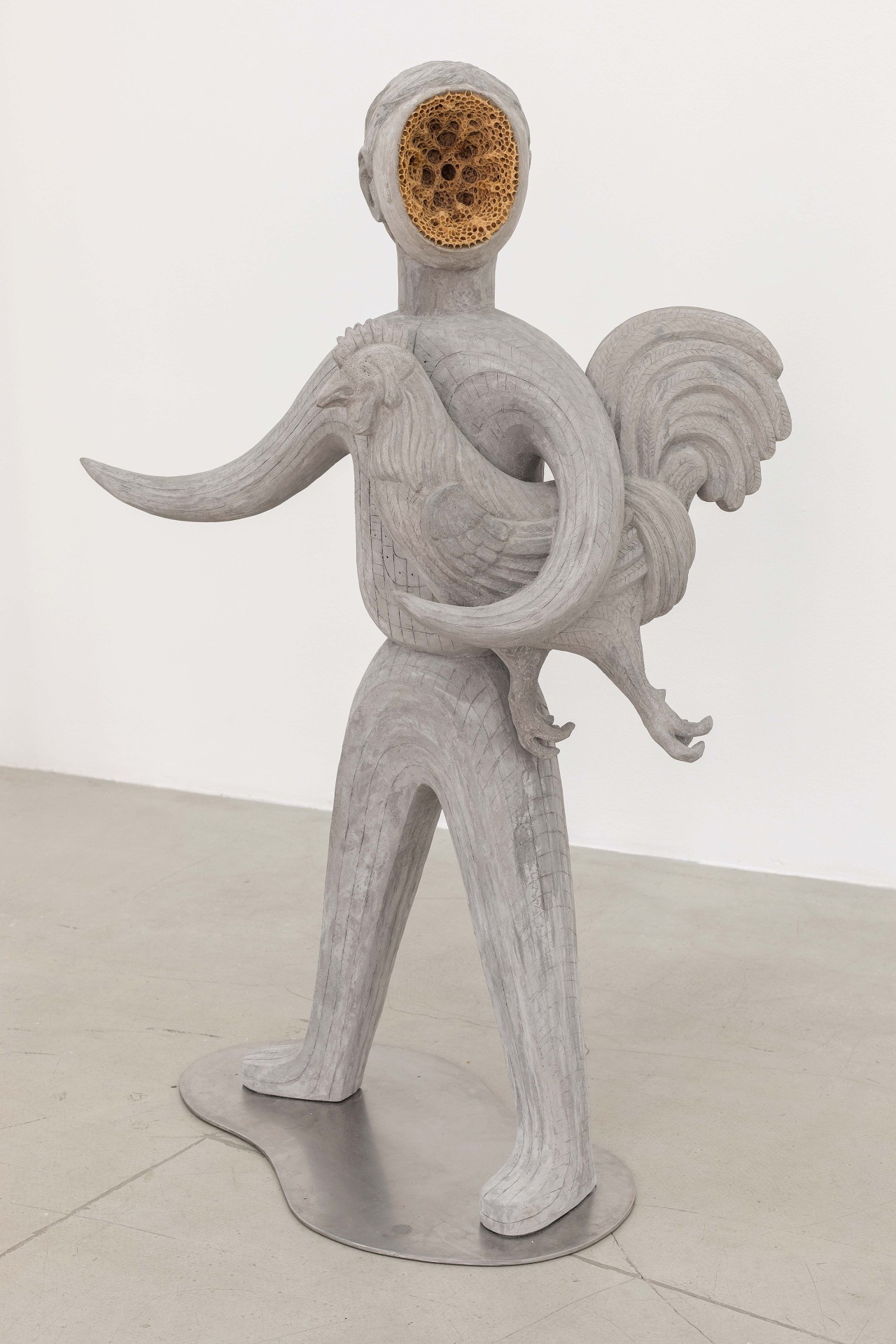
For over a decade, Bárbara Wagner (b. 1980) & Benjamin de Burca (b. 1975) have been creating video works and installations in collaboration with cultural movements and collective practices experienced outside of the established circuits of contemporary art. In their works, the artist duo examine artistic expression, cultural resistance, and the negotiation of identity. The film installations in the exhibition depict contemporary trans-generational scenes with a strong local accent, each of which emerged as youth movements during the 1970s and 1980s and went on to create and shape autonomous cultural and/or musical structures and systems of reference.

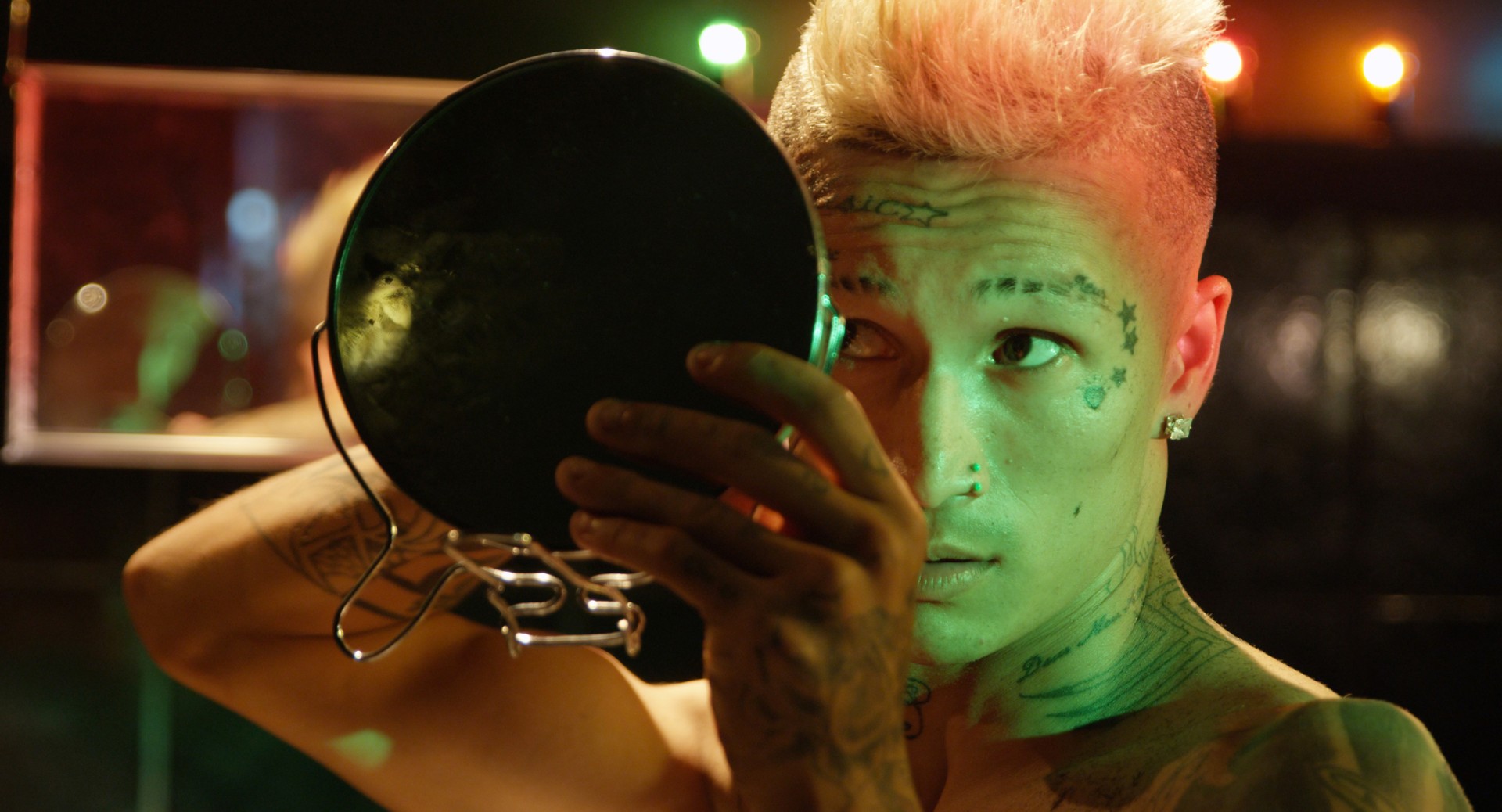
At the core of their first comprehensive solo exhibition in Germany is a specially developed new production focusing on the hardcore scene in Germany, in particular Straight Edge (“sXe” for short), a movement which emerged on the East Coast of the United States as a “clean” counterculture within the post-hardcore punk of the 1980s.
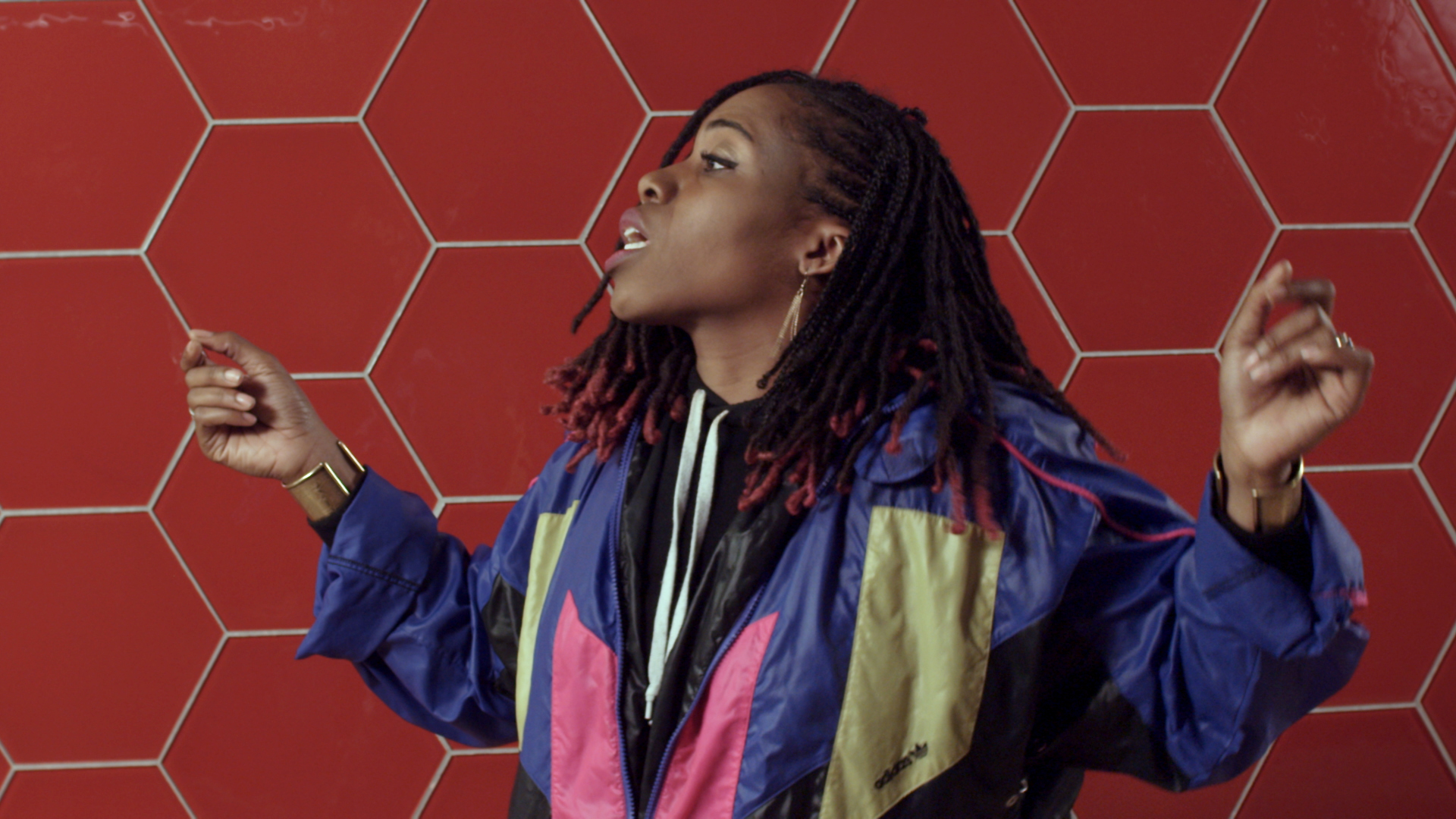
Within the SCHIRN, Wagner & de Burca position these scenes alongside other music movements: with the Brega scene from Recife, which arose in northeast Brazil in the 1970s, and Canadians of Afro-Caribbean descent from the first or second generation who, in an act of self-empowerment, appropriated the public space of Toronto’s subway.

Wagner & de Burca’s audiovisual works highlight pressing sociopolitical issues within the performers’ communities and explore how people find a voice through the cultural expressions they identify with. Their productions are characterized by collaboration, with those portrayed in their films actively participating in the design of script, set, music, choreography, and mise-en-scène.

Curator Katharina Dohm (SCHIRN)
Curatorial Assistent Cornelia Eisendle

Straight Edge concert
© The Band Spiral at Oettinger Villa, Darmstadt, 2024, Photo: Josi Hoffmann
A person with tattoos and blonde hair looks in a mirror, surrounded by colorful lights.
Bárbara Wagner & Benjamin de Burca, Estás vendo coisas / You are seeing things, 2016. Film still (MC Porck and Dayana)
© Courtesy of the artists and Fortes, D’Aloia & Gabriel, SĂŁo Paulo/Rio de Janeiro
Straight Edge concert
© The Band Spiral at Oettinger Villa, Darmstadt, 2024, Photo: Josi Hoffmann

Thomas Bayrle. Be Happy!

February 12 – May 10, 2026

The Frankfurt-based artist Thomas Bayrle (b. 1937) examines fundamental aspects of modern society. The major solo exhibition will feature fifty-five works, primarily from the last twenty years, including paintings, graphic art, sculpture, object art, sound installations, as well as a video piece.

What is the connection between religion and society, the individual and the masses, or industrially manufactured products and the technical equipment used in their production? In addition to the structures of consumption, urbanity, and technology, mobility likewise plays a central role, alongside pop and mass culture as well as (ersatz) religion. The artist also addresses the theme of work and engages with iconic artworks from art history, ranging from Michelangelo, Caravaggio, and Masaccio to Claude Monet.

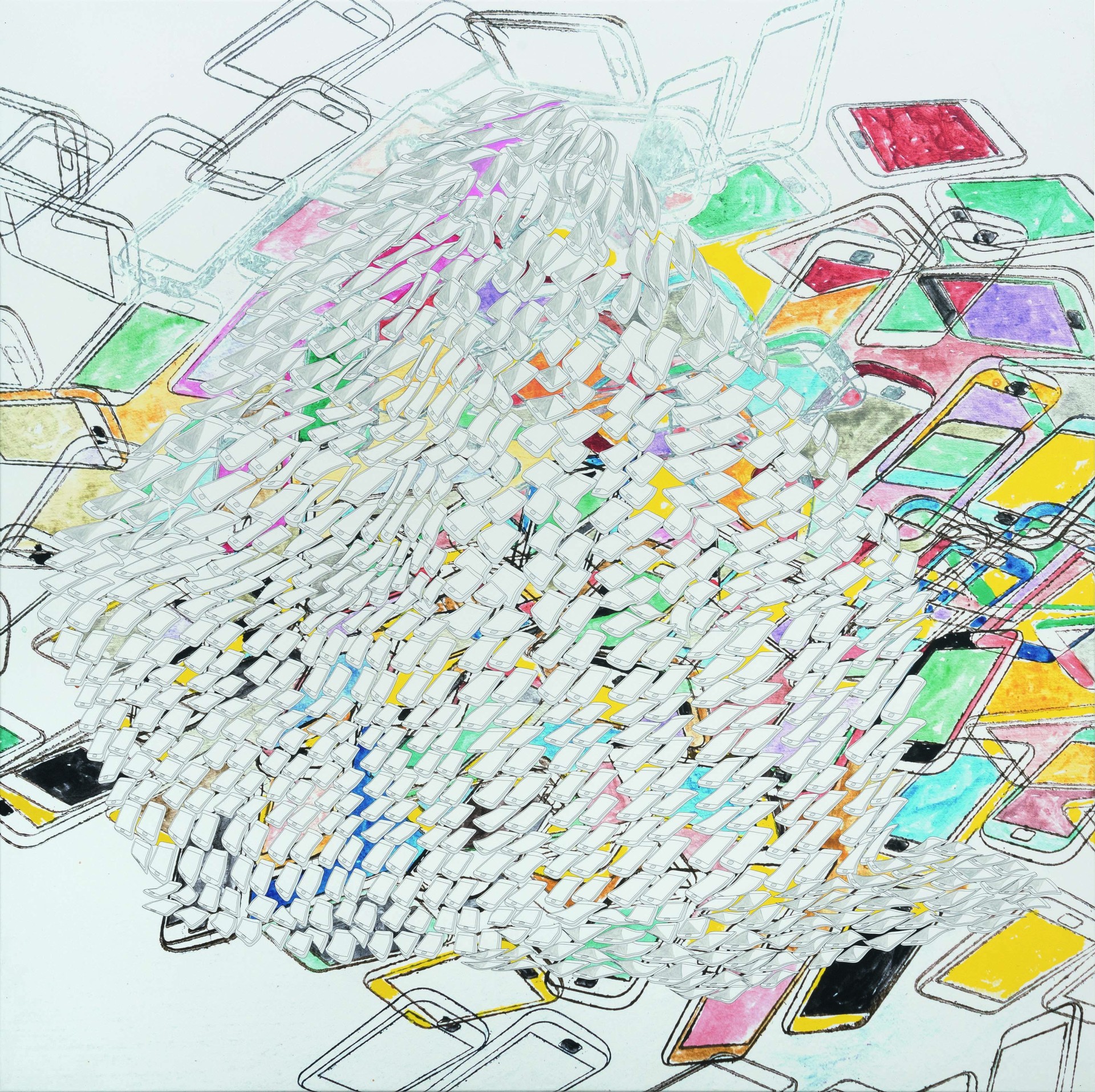
During the 1960s and 1970s, Bayrle laid the innovative foundations of his characteristic Superformen (Super Forms). The repetition, interconnection, and interweaving of individual elements to form an overall picture remain central to almost all of Bayrle’s works to this day—processes that are closely linked to the artist’s biography. Bayrle initially completed an apprenticeship as a machine weaver before later turning his attention to commercial art and printing. He has continued to develop these printing techniques in his art, both materially and conceptually, tracing the path from analogue technology to the digitality that is so omnipresent today. As a result, Bayrle’s works enter into a particularly resonant dialogue with the SCHIRN’s current exhibition venue, the industrial building of the former Dondorf printing works.

Curator Matthias Ulrich (SCHIRN)
Curatorial Assistent Theresa Dettinger
Artistic collage featuring a figurative motif that combines colorful patterns and urban elements.
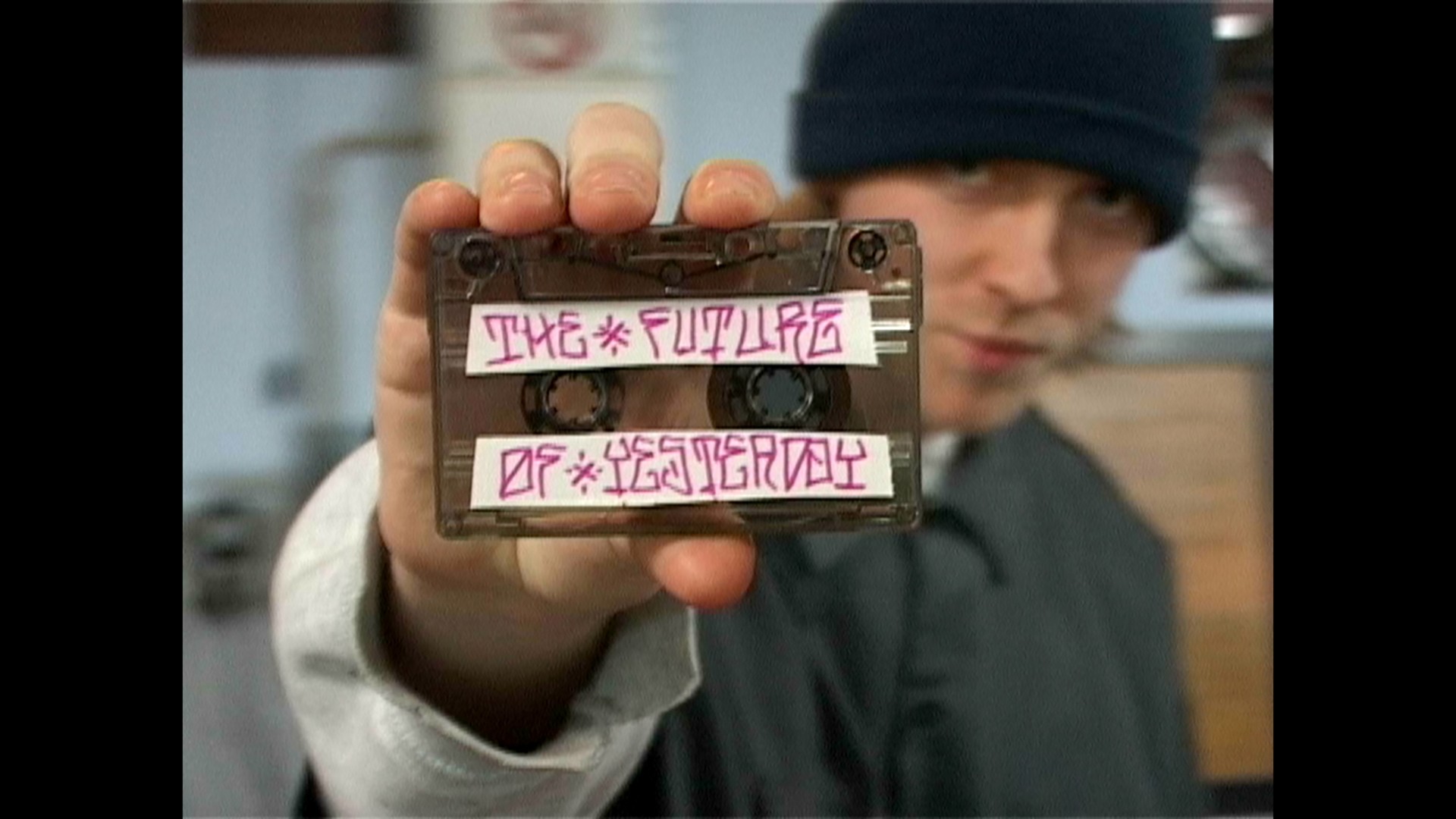
Thomas Bayrle, Ascension I, 2019 digital print, acrylic and pencil on canvas, 180 x 130 cm
© Thomas Bayrle, VG Bild-Kunst, Bonn 2025, Courtesy the artist and neugerriemschneider, Berlin, Photo: Wolfgang Günzel
Artwork with colorful patterns that blurrily shows a figurative representation, featuring dominant colors of blue, yellow, and red.
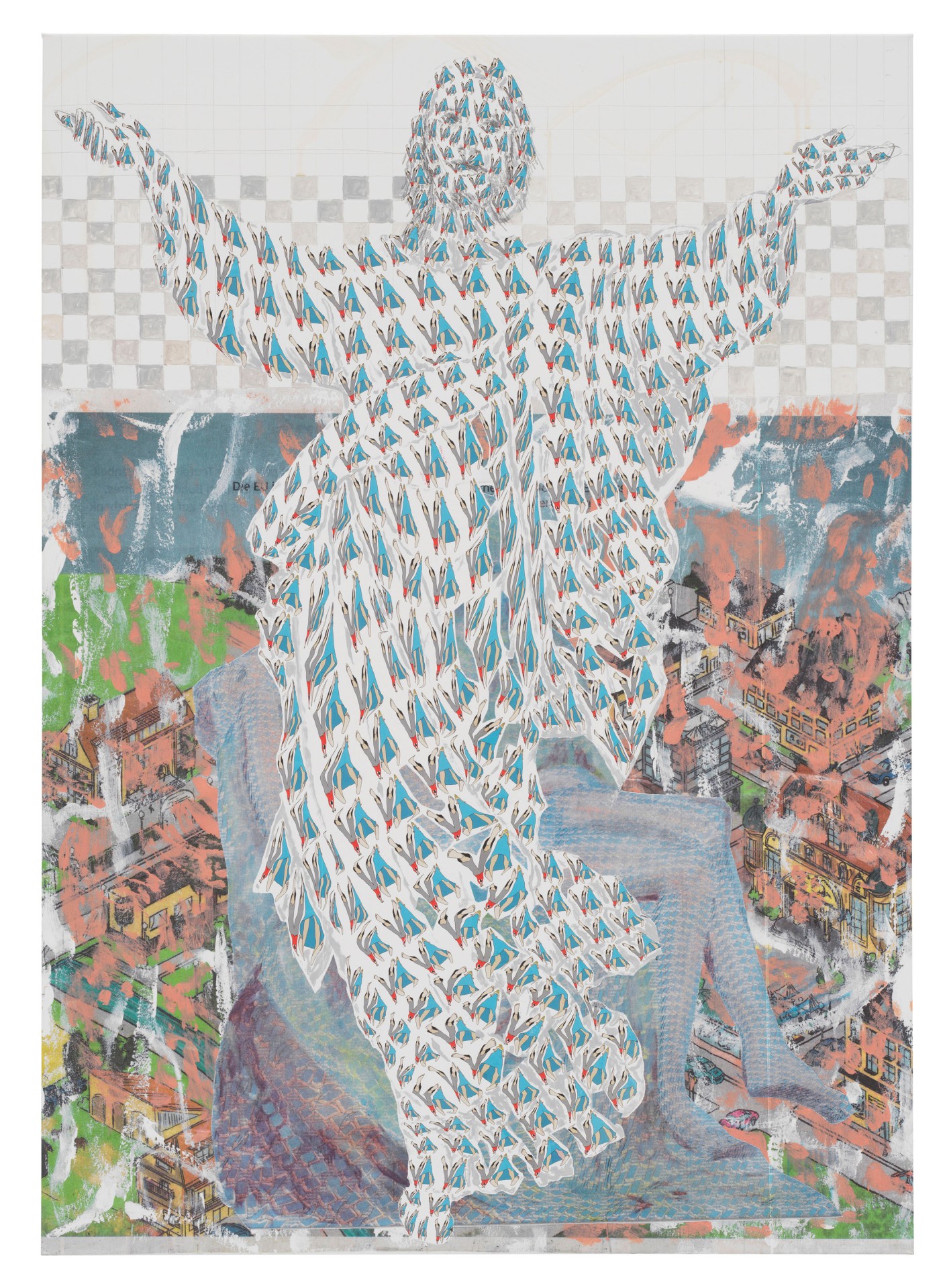
Thomas Bayrle, Pope II, 2021, Digital print on canvas, 176 x 180 cm
© Thomas Bayrle, VG Bild-Kunst, Bonn 2025, Courtesy the artist and neugerriemschneider, Berlin, Photo: Wolfgang Günzel
Thomas Bayrle, Roll over Smartfon I, 2019, acrylic and digital print on canvas, 200 x 200 x 2 cm
Städtische Galerie in the Lenbachhaus and Kunstbau München, Collection KiCo, © Thomas Bayrle, VG Bild-Kunst, Bonn 2025, Photo: Wolfgang Günzel

The World Through AI

June 11 – September 20, 2026

The major summer exhibition presents artworks from the last ten years that explore the cognitive, psychological, political, and ecological dimensions of artificial intelligence (AI). AI technologies are fundamentally changing the ways in which images are created, processed, disseminated, described, and viewed. Their influence on visual culture and contemporary art practice is among the most visible phenomena in this field, which is dominated by often opaque technical processes.

The wide-ranging themed exhibition will occupy both exhibition halls at the SCHIRN with around 40 works, including video installations, graphic works, sculptures, and photographs. The show will examine a broad spectrum, addressing not only resources and environmental factors but also aspects of perception, machine vision, and facial and emotional recognition. Works by 25 international artists—including Hito Steyerl, Kate Crawford & Vladan Joler, and Agnieszka Kurant—address microwork, the establishment of alternative historical narratives, as well as visions of the future. Further aspects explored include so-called “AI slop” and “slopaganda” (the use of AI-generated images as a new form of political propaganda). Moreover, a series of time capsules—conceived as small cabinets of curiosities—links the present to the past within the exhibition, thereby embedding current changes brought about by new technologies within a broader historical context.

Curators Antonio Somaini (Jeu de Paume, Paris) in collaboration with Katharina Dohm (SCHIRN)
Curatorial Assistent Cornelia Eisendle

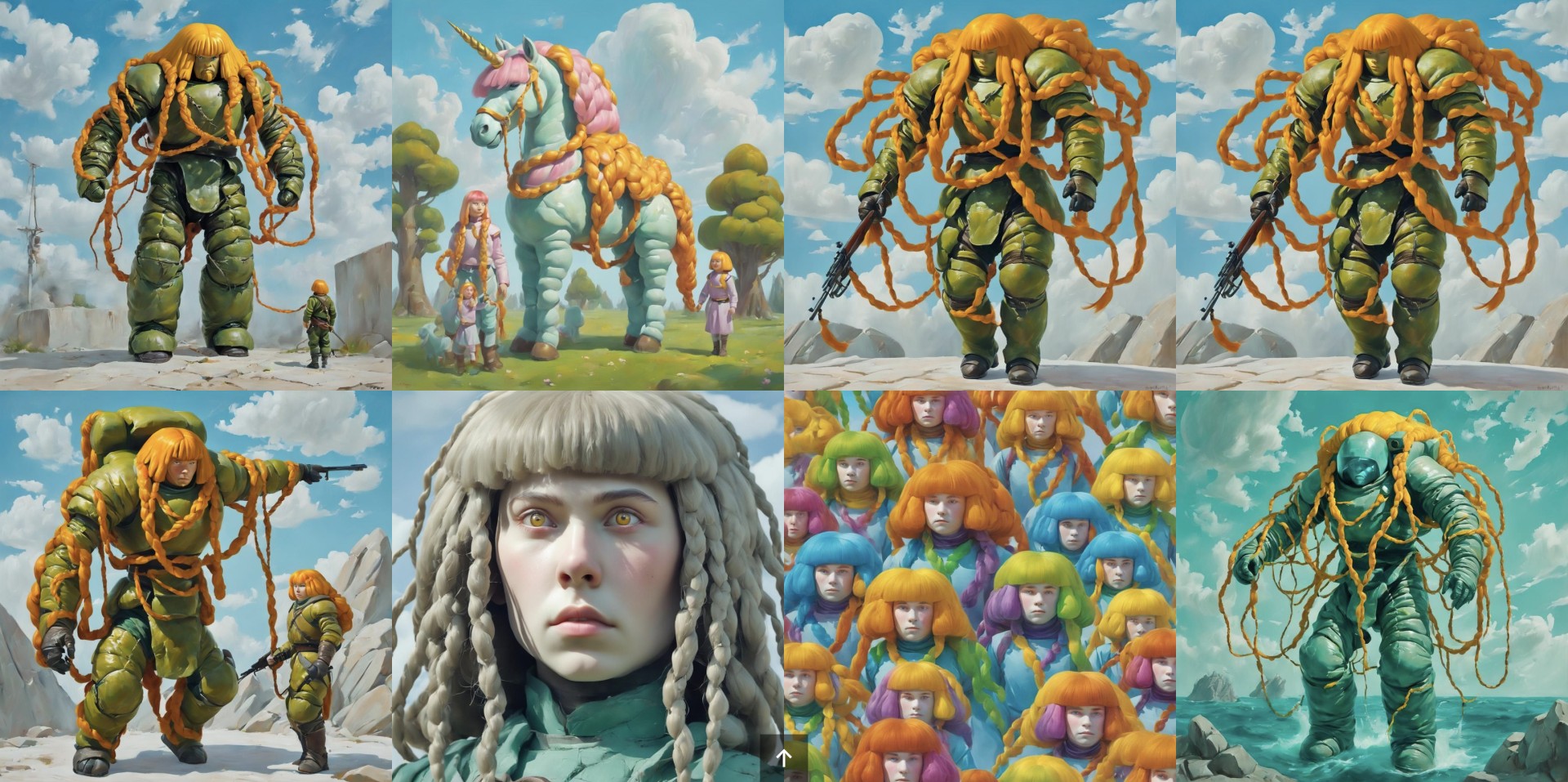
Colorful, surreal scenes with warrior figures, a unicorn, and imaginative characters in various poses.
Holly Herndon & Mat Dryhurst, Xhairymutantx, 2024-2025, Digital images generated through a custom AI model
© Holly Herndon & Mat Dryhurst

Anna Hulačová

October 1, 2026 – January 10, 2027

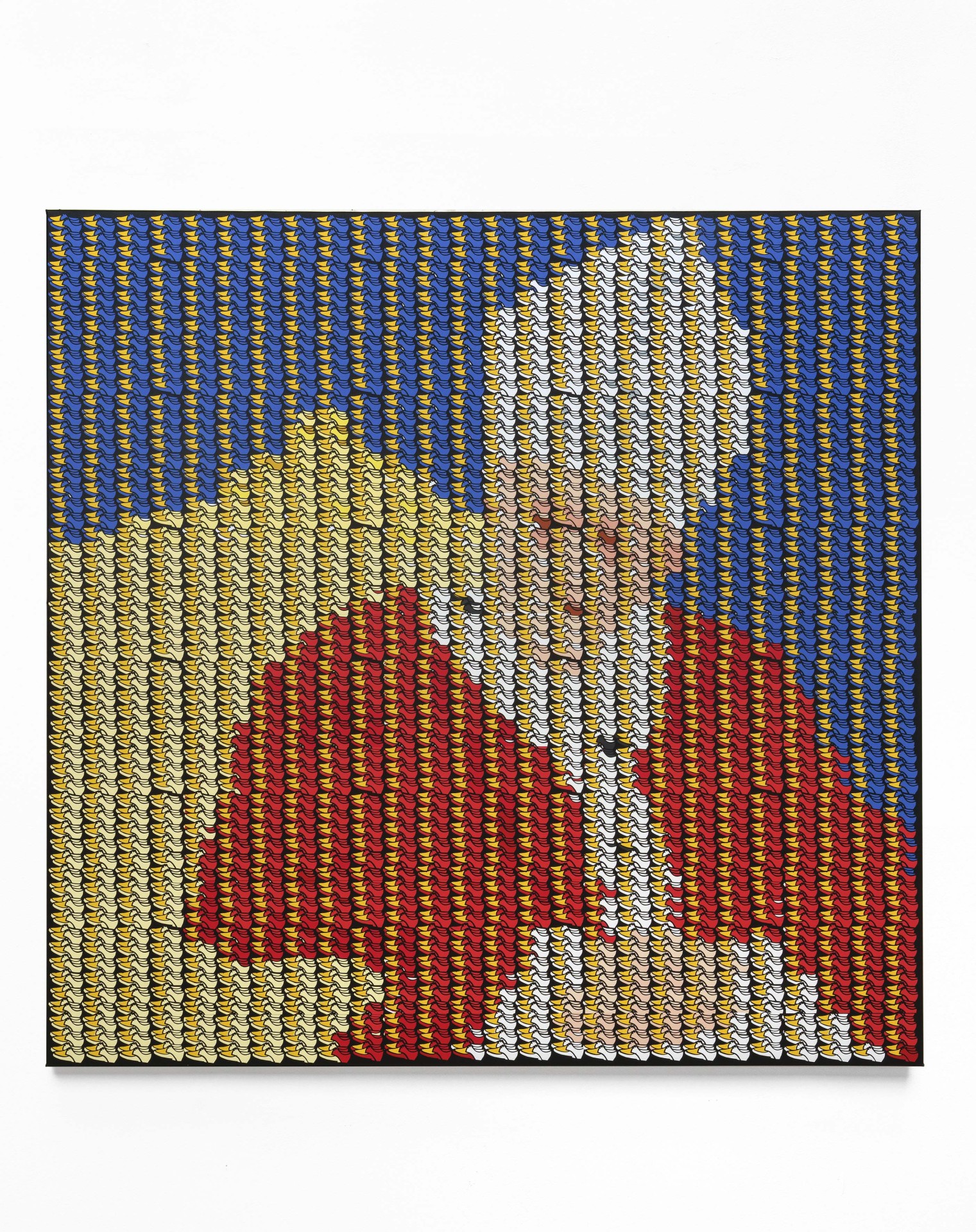
The figurative sculptures of Anna Hulačová (b. 1984) combine influences from Surrealism, Soviet Brutalism, and Czech folk art to create an autonomous artistic cosmos. The SCHIRN presents the artist’s first solo exhibition in Germany on the occasion of the Czech Republic’s role as Guest of Honour at the Frankfurt Book Fair. Hulačová, who grew up on a farm, creates art rooted in her deep affinity with plants and animals.

The artist explores the relationship between humans and nature from an eco-feminist perspective. In her artworks, she addresses the loss of biodiversity, the decline of insects, and the consequences of industrial agriculture. The bee becomes a central metaphor and co-producer of her art, symbolizing collective labor, ecological crisis, and mystical immortality. In partnership with her own colonies of bees, she develops hybrid creatures and faceless science-fiction–like figures, in which concrete and honeycomb, organic and technoid, as well as nature and machine are fused. Hulačová’s utopian-apocalyptic visions are permeated by concern for the future of our environment while simultaneously expressing a poetic imagination.

CURATOR Martina Weinhart (SCHIRN)
Curatorial Assistent Theresa Dettinger
Creative wall installation made of wood featuring plant elements and geometric shapes in neutral colors.
Anna Hulačová, Oskeruše (Sorbus domestica), 2024
© Anna Hulačová, courtesy of the artist and Hunt Kastner, Prague, photo: Václav Litvan
Sculpture of a human figure with a hollow head carrying a chicken, made of gray material, modern art.
Anna Hulačová, Chicken Thief, 2024
© Anna Hulačová, courtesy of the artist and Hunt Kastner, Prague, photo: Michal Czanderle

Leonor Fini

October 23, 2026 – February 28, 2027

Leonor Fini (1907–1996) was a rebel, both as an artist and in her private life. Priestesses, sphinxes, and hybrid figures—in a characteristic style informed by the Old Masters, she created dreamlike scenes that subvert classic gender roles. The SCHIRN is devoting the first comprehensive retrospective in Germany to Leonor Fini, offering an in-depth insight into her oeuvre through some 100 works.

Despite Fini’s proximity to Surrealism, she always maintained her independence and developed a unique pictorial language situated between dream, myth, and theatrical stagelike presentations. Born in Buenos Aires, raised in Trieste, and shaped by the Renaissance, Symbolism, German Romanticism, and Magical Realism, she was an autodidact who created powerful representations of strong women and androgynous figures, often reinterpreting historical models. Emancipation, gender fluidity, eros, occultism, death, and transformation permeate her works, alongside her playful engagement with masks, costumes, and role models. A central theme in Fini’s oeuvre is the exploration of her role as a woman and an artist. From the beginning, Fini presented herself confidently as a libertarian figure and a glamorous icon. The exhibition traces Fini’s long and fascinating artistic career with paintings, drawings, photographs, and objects spanning some seventy years.

An exhibition by the SCHIRN in cooperation with the Musée d’Art Moderne de Paris—Paris Musées.

Curator Ingrid Pfeiffer (SCHIRN)
Curatorial Assistent Cornelia Eisendle
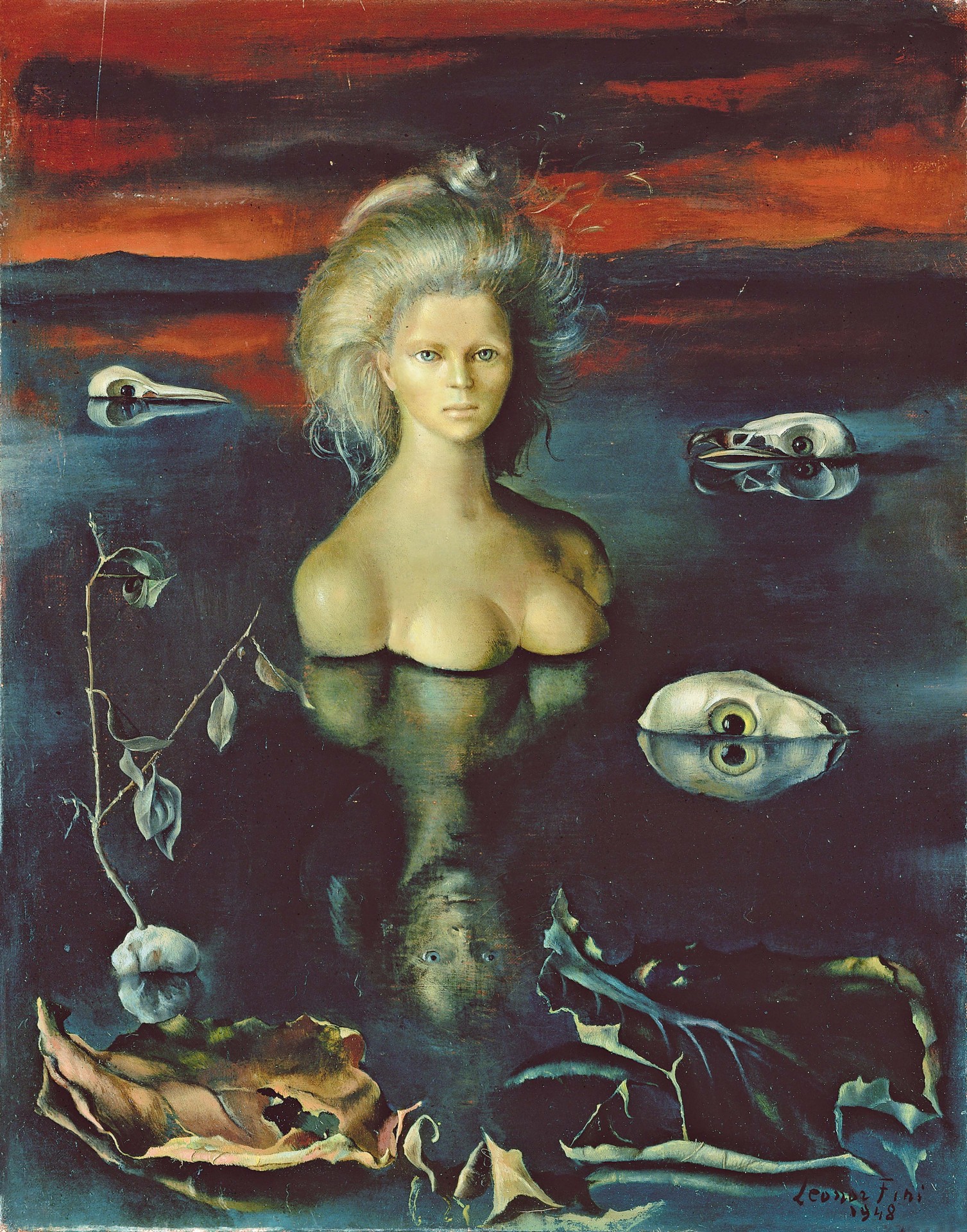
Surreal depiction of a female figure in water, surrounded by mysterious objects and a dramatic landscape.
Leonor Fini, Le Bout Du Monde (Ends of the Earth), 1948, oil on canvas, 35 Ă— 25 cm, private collection
© VG Bild-Kunst, Bonn 2025/2026, Photo: Galerie Minsky, Paris