

5 good reasons to view THE WORLD THROUGH AI in the SCHIRN
05/15/2026
4 min reading time
Artificial Intelligence (AI)— a Chance, a Manipulator, or a Climate Killer? The major summer exhibition “The World Through AI,” opening June 10 at the SCHIRN, explores these questions and much more. Here are 5 reasons why it’s worth a visit.
1
Contemporary Art engaging critically with AI
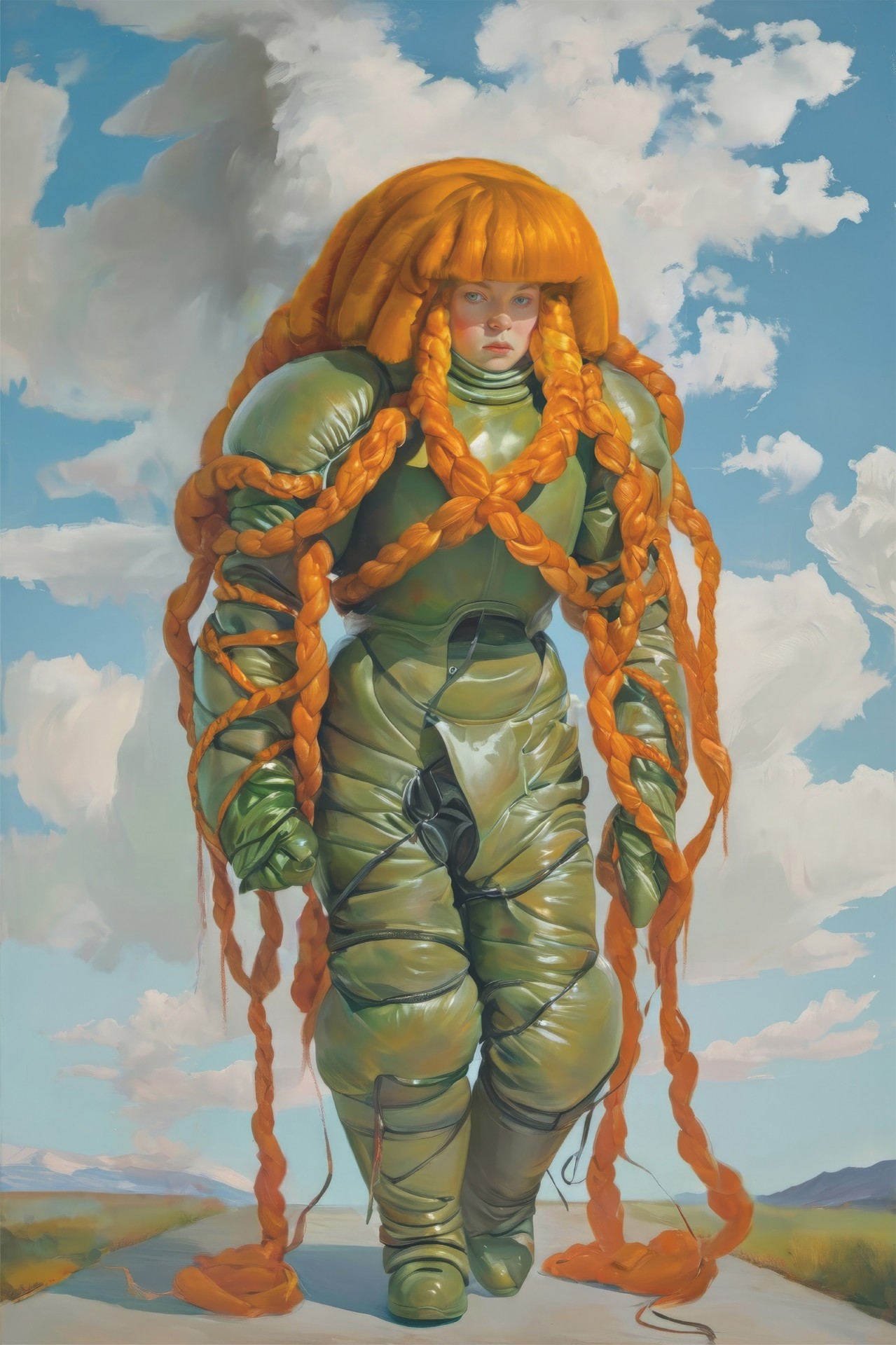
“The World Through AI” brings together around 25 artists who explore AI through video installations, graphics, sculptures, and photographs. With a focus on artworks from the past decade, new artistic productions, and exhibition sections that explore the intersections of AI, political propaganda, and power, the exhibition presents a comprehensive and highly topical picture of the international AI discourse. From micro-labor to the establishment of alternative historiographies and potential visions of the future—the range of topics is vast!
2
Hard Reality instead of Soft Cloud
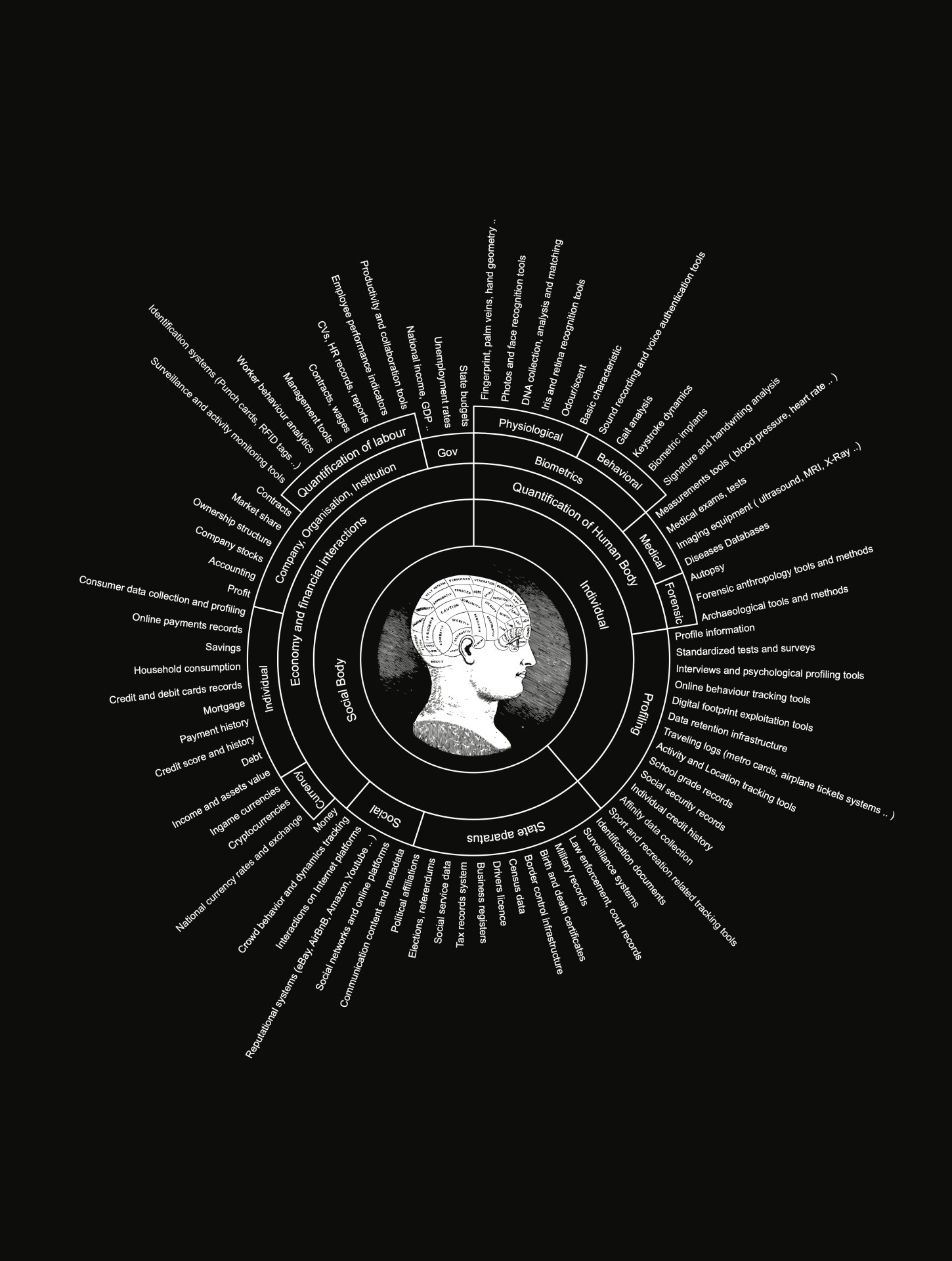
While digital applications/programs and smartphones have now implemented AI as standard, we usually know little about the massive infrastructures and data centers, the resource consumption, and the granular work processes behind them. Instead of a soft, weightless cloud, massive materiality—which has a significant impact not only on our environment. The harsh reality hidden behind the supposedly incorporeal clouds and AIs is revealed in works by Hito Steyerl, Kate Crawford & Vladan Joler, Julian Charrière, and Timo Arnall.

3
All Eyes on Slopaganda
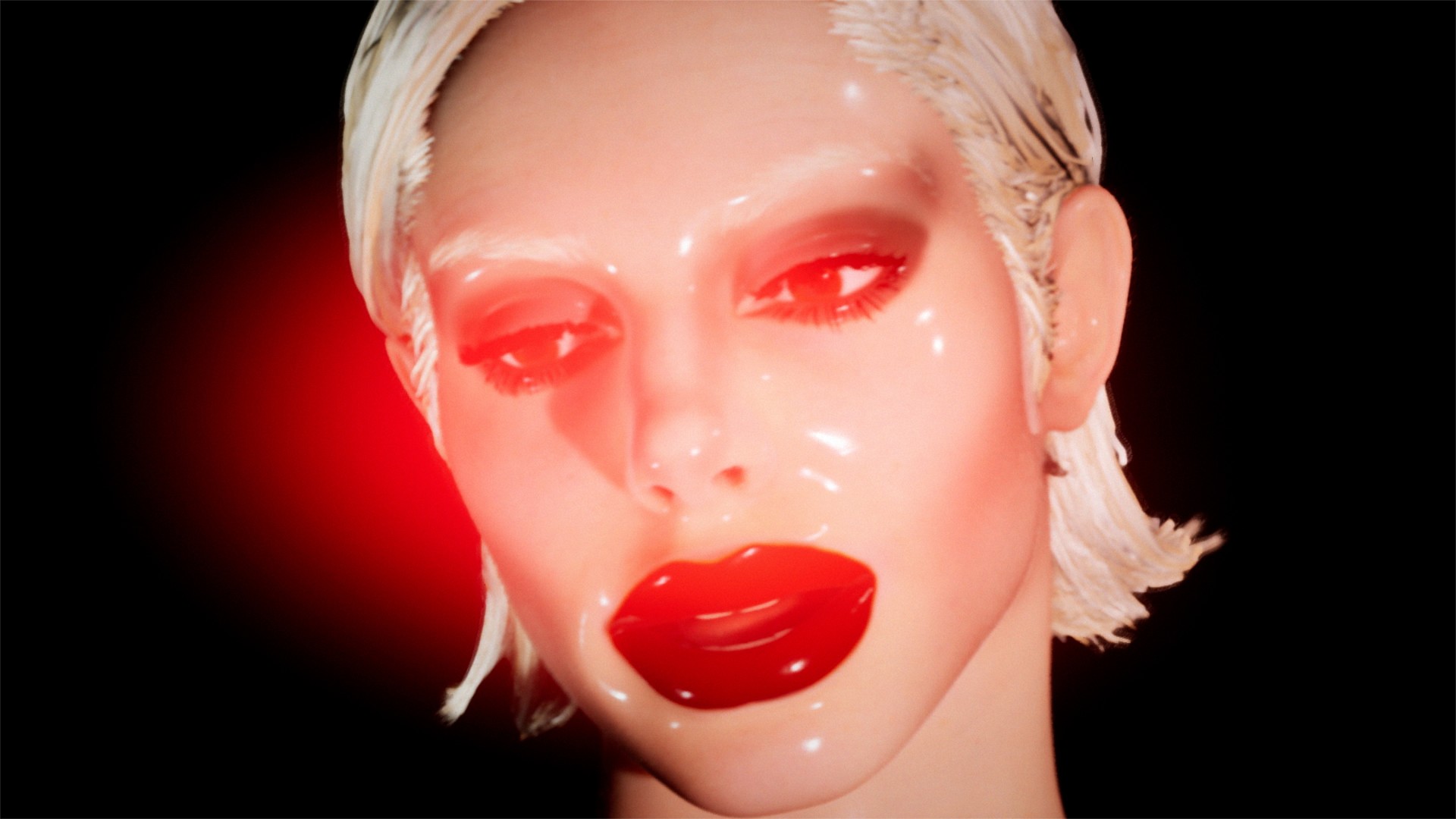
A special focus of the exhibition is on AI Slop and Slopaganda. AI is rapidly and profoundly transforming visual culture and politics. So-called AI Slop—cheap, mass-produced synthetic content—is flooding social media: AI-generated memes have become a new form of political propaganda disseminated by official government accounts, and fake historical documents are increasingly difficult to distinguish from authentic archival sources. Created specifically for the exhibition, Occitane Lacurie and Barnabé Sauvage explore this form of viral propaganda in their multimedia installation “Holy Slop: A Generative Atlas of Slopaganda in Palestine” (2025), using the AI-generated video “Trump Gaza” as an example.
But it’s not just new artistic productions; the symposium “AI POLITICS: SLOP AND SLOPAGANDA” on June 11 also addresses the question: What role can artistic practice and critical research play in this new political context?
4
Decolonize AI!
AI is based on human data, biases, and existing power structures, and thus often reproduces social, racial, or gender-based discrimination. It is not neutral, but quite political!
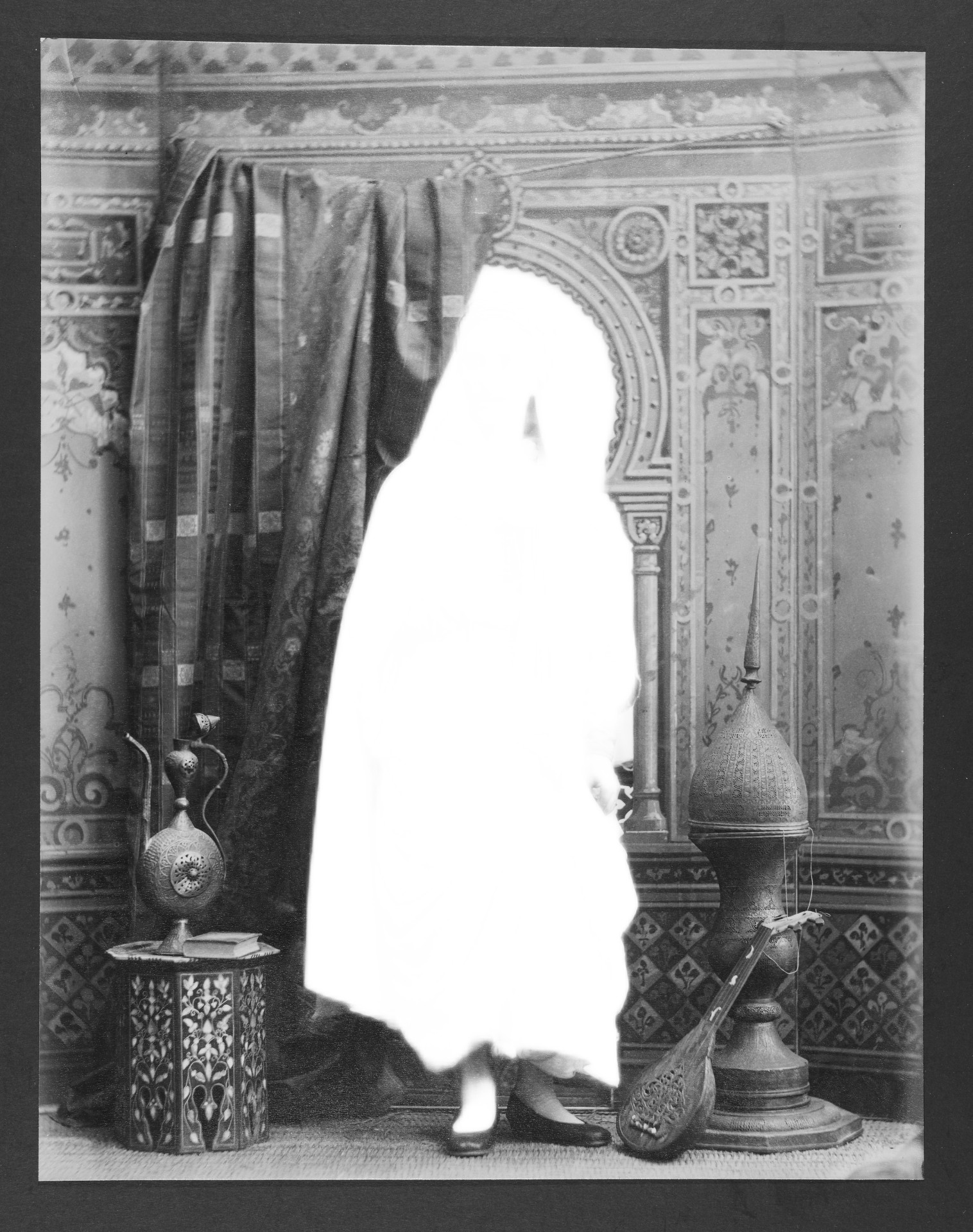
Artists such as Nouf Aljowaysir and Nora Al-Badri demonstrate in their work how closely digital technologies are linked to history, memory, and cultural responsibility. Thus, Western-influenced AI systems distort the representation of other cultures or even render them invisible. At the same time, they open up new perspectives on how AI can be conceived in a decolonial way. Historical colonial archives meet contemporary AI images, revealing just how deeply the past and present are interwoven.
5
Truth or Deception?
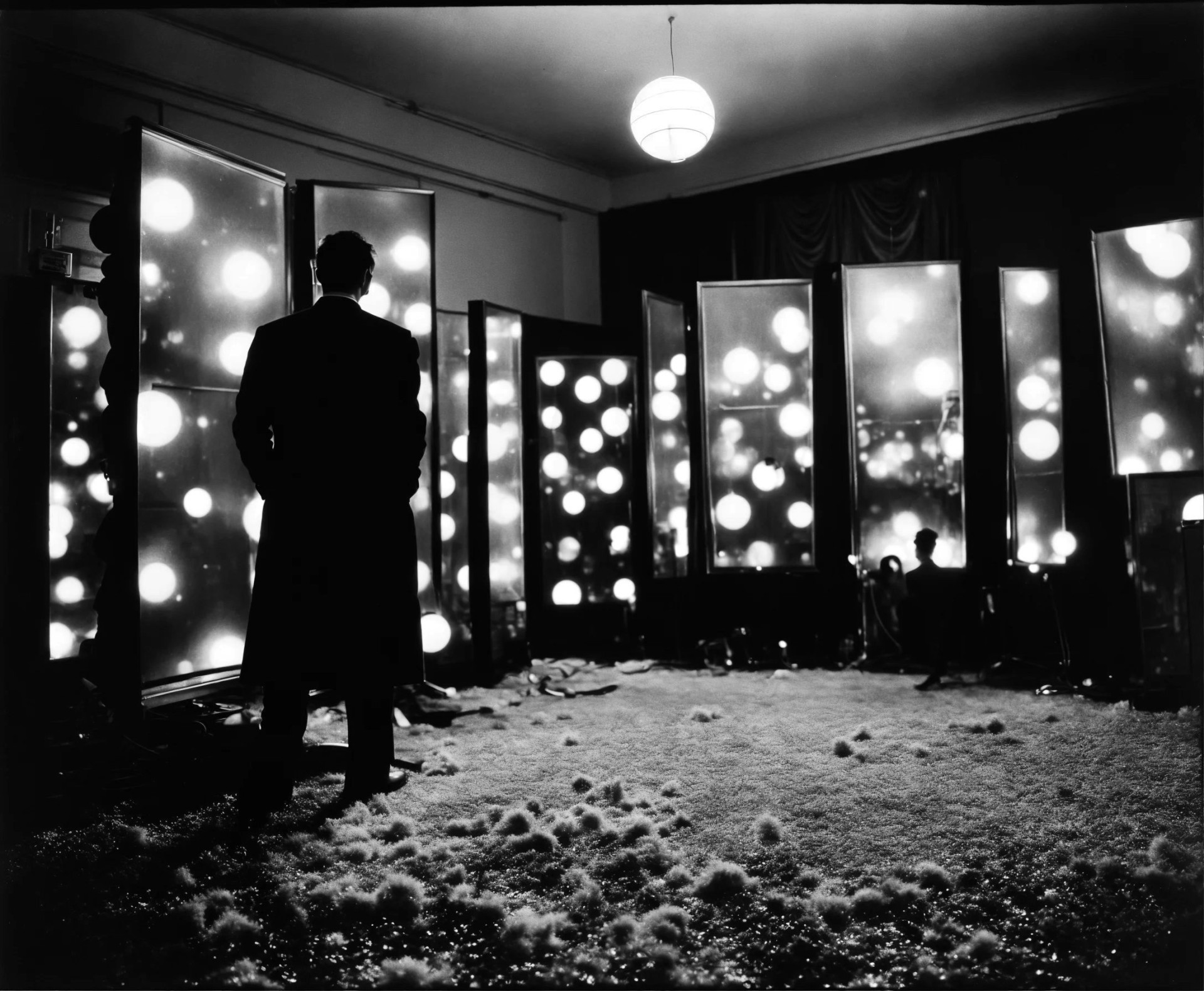
Several works, including “Cinéma vivant” (Living Cinema) by Erik Bullot, demonstrate how AI is transforming our conception of truth—for instance, through photorealistic deepfakes or entirely AI-generated images that are virtually indistinguishable from real photographs. “The World Through AI” is thus an exhibition about technology, and even more so an exploration of the future of human perception, memory, and intelligence. The perfect opportunity to question one’s own relationship with technology.