What’s Cooking Christmas Special: Dada cookies à la Suzanne Duchamp

Lorem ipsum

The faithful among our ‘What’s-Cooking readers’ may perhaps remember that a few years ago we ran an article at Christmas on cookies inspired by artists.
Alluding at the time to the life and work of Dorothy Iannone, Gilbert & George or Donald Judd we presented a series of unconventional biscuits: Gingerbread with nipples, bread-roll Santas with neckties, and geometrical almond cookies with a colorful caramel filling.

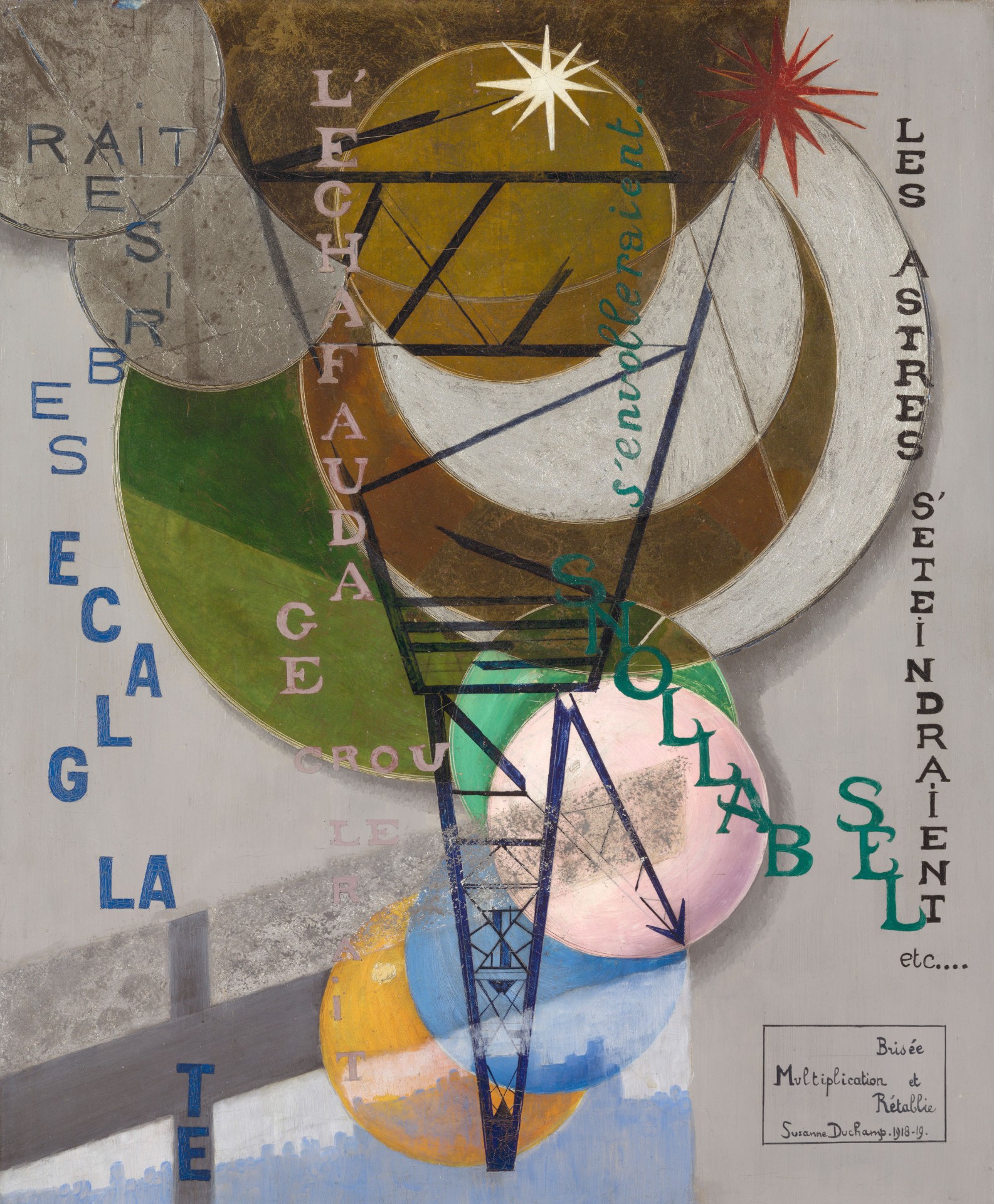
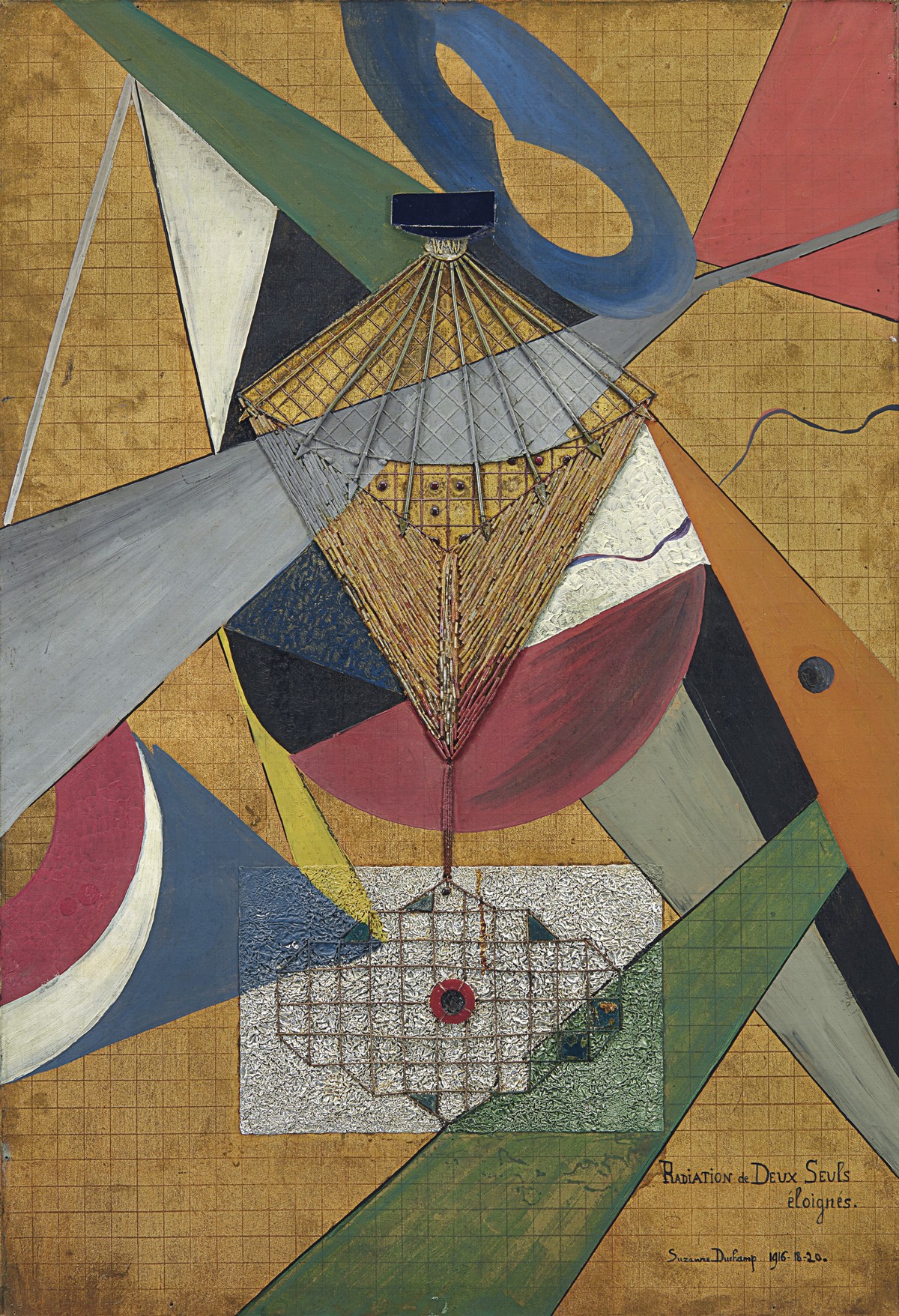
This year, we’re returning to the concept on the occasion of the current Suzanne Duchamp show and have baked some cookies that reflect the marvelous interplay of colors and shapes typical of the pioneer of the Dada movement. We drew our inspiration in particular from three works: “Multiplication Brisée et Rétablié” (Broken and Restored Multiplication) of 1918/19; “Radiation de deux seuls éloignés” (Radiation of Two Lone Ones at a Distance) dating from 1916–20; and “Construction” (Construction), made in 1913.

While the titles may seem overly complex, our interpretation of them in the form of edible cookies is exceptionally simple and can be realized by hobby bakers of any age. True to Dadaist principles, you should try and make certain your Duchamp cookies are co-creations, celebrate unexpected results, and don’t forget to improvise!

Abstract composition with geometric shapes and inscriptions in various colors and textures.
Suzanne Duchamp, Multiplication Brisée et Rétablié (Broken and Restored Multiplication), 1918/19, Oil and silver paper on canvas, 61 × 50 cm
bpk%20%2F%20The%20Art%20Institute%20of%20Chicago%20%2F%20Art%20Resource%2C%20NY%20%2F%20%C2%A9%20Suzanne%20Duchamp%20%2F%20VG%20Bild-Kunst%2C%20Bonn%202025%20
asd
Die%20Schwertlilien%2C%20auch%20Iris%20genannt%2C%20bilden%20eine%20Pflanzengattung%20in%20der%20Unterfamilie%20Iridoideae%20in%20der%20Familie%20der%20Schwertliliengew%C3%A4chse%20%28Iridaceae%29%20innerhalb%20der%20Einkeimbl%C3%A4ttrigen%20Pflanzen.
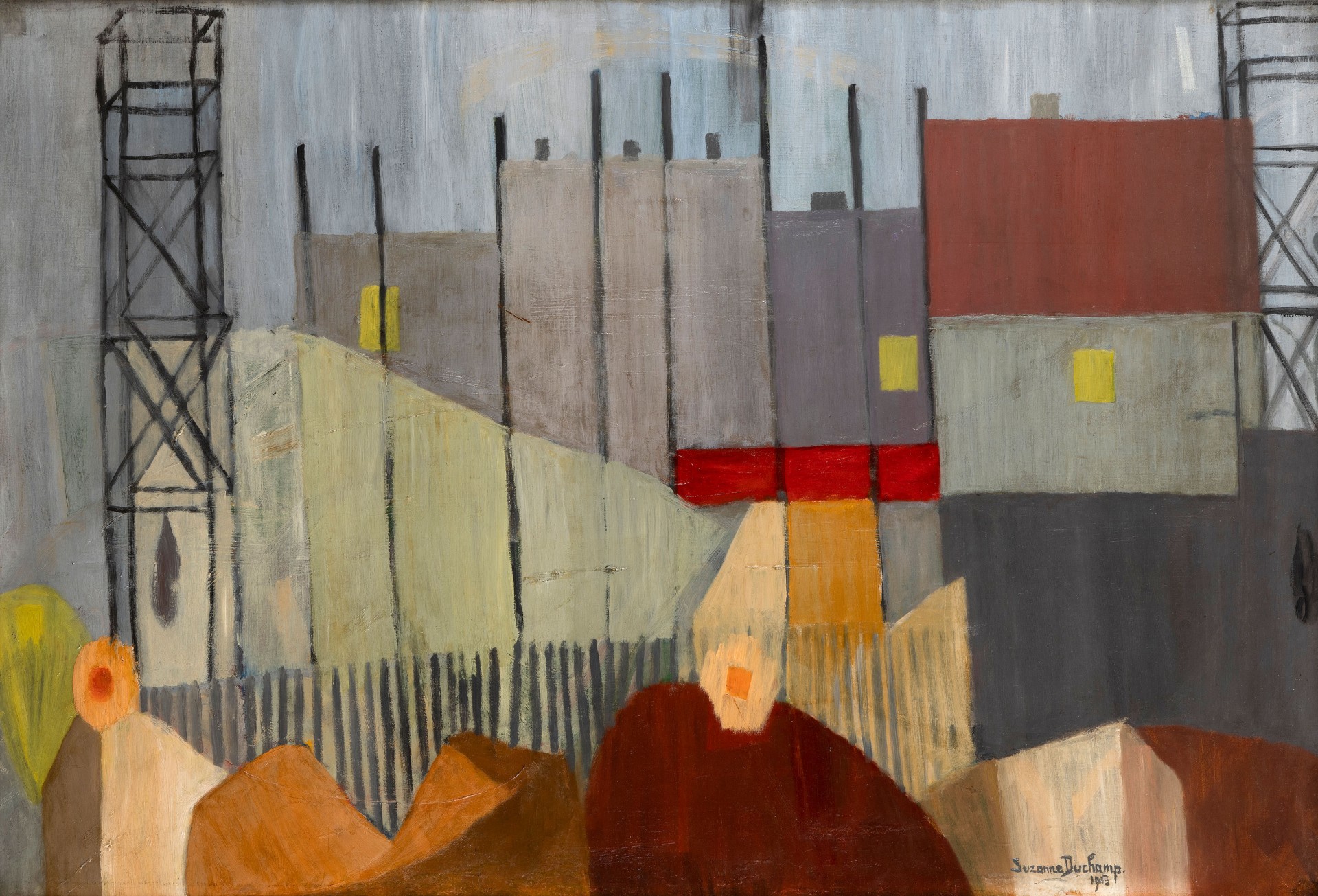
Abstract cityscape with geometric shapes, gray buildings, power poles, and warm color tones.
Suzanne Duchamp, Construction / Paysage Urbain (Urban Landscape), 1913, Oil on canvas, 89 × 130 cm
Private collection / © Suzanne Duchamp / VG Bild-Kunst, Bonn 2025

Dada cookies à la Suzanne Duchamp

Ingredients (for about 40 cookies)

  • 200 g butter, at room temperature
  • 100 g white sugar
  • 1 medium-sized egg
  • 300 g Mehl flour (wheat flour grade 405)
  • Salt (a pinch)

Lorem ipsum

Cut the butter into little chunks and place in a stirring bowl. Add the sugar, egg, flour, and salt, and knead the ingredients into a dough.

Shape the dough into a ball, wrap it in cling film, and leave it in the fridge for at least two hours.

Take your ball out of the fridge, place it on a floured surface, and roll it out until the dough is about 5 mm thick. The dough rolls best if placed between two layers of baking paper, as then it doesn’t stick at all.

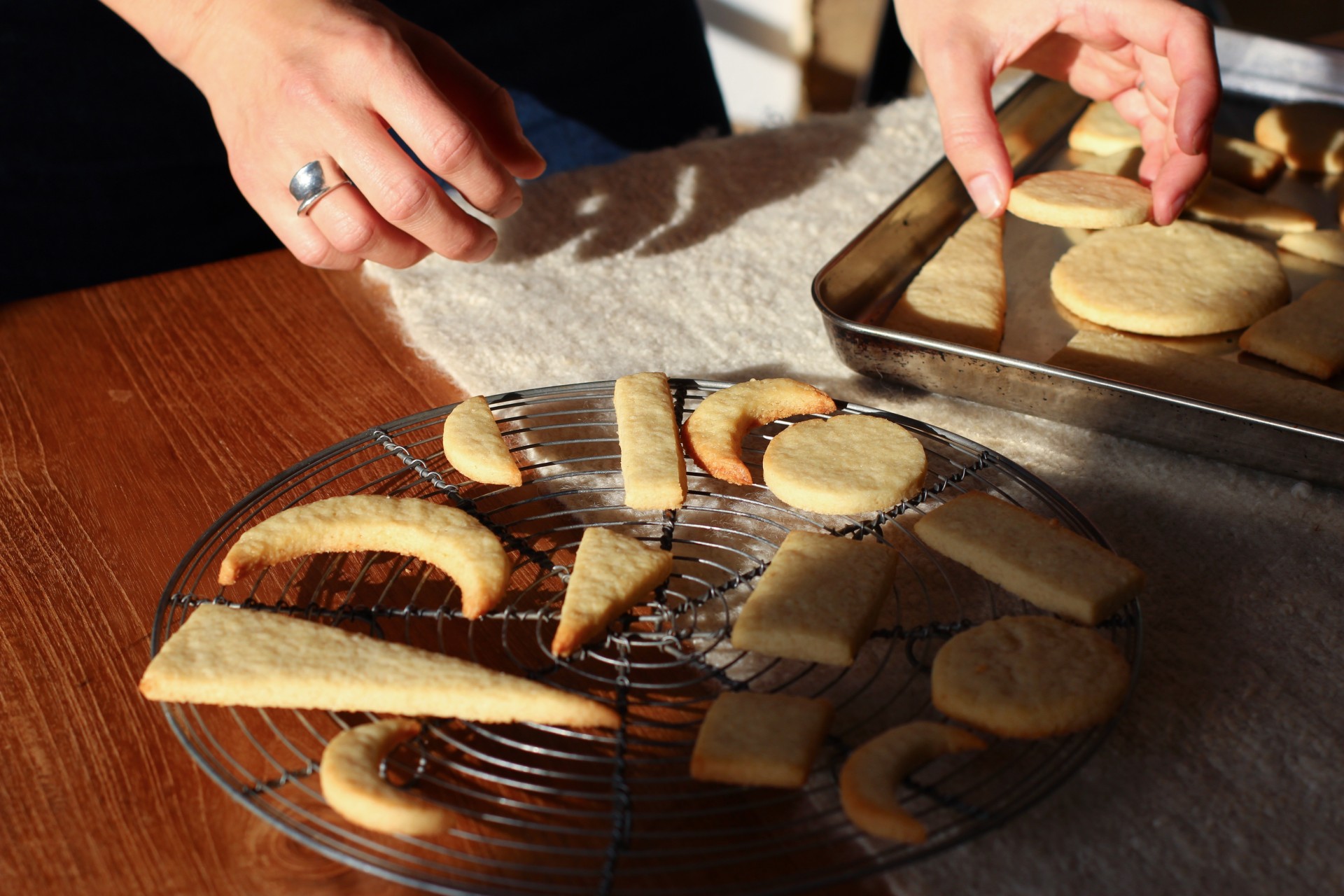
To cut out the typical Duchamp shapes, go for round cookie-cutters (approx. Ø 5 cm and 9 cm). Using one and the same cutter you can then simply cut out quarter-moons from the circles. Rectangular or triangular cookies are easy to make using a straight edge and a sharp knife.

Should the dough get too soggy along the way simply place it in the freezer for a little while.

Place your cookies on baking paper and pop them into the oven, preheated to 180 °C, for about 10 minutes till they are golden brown. Then put them to one side to cool.

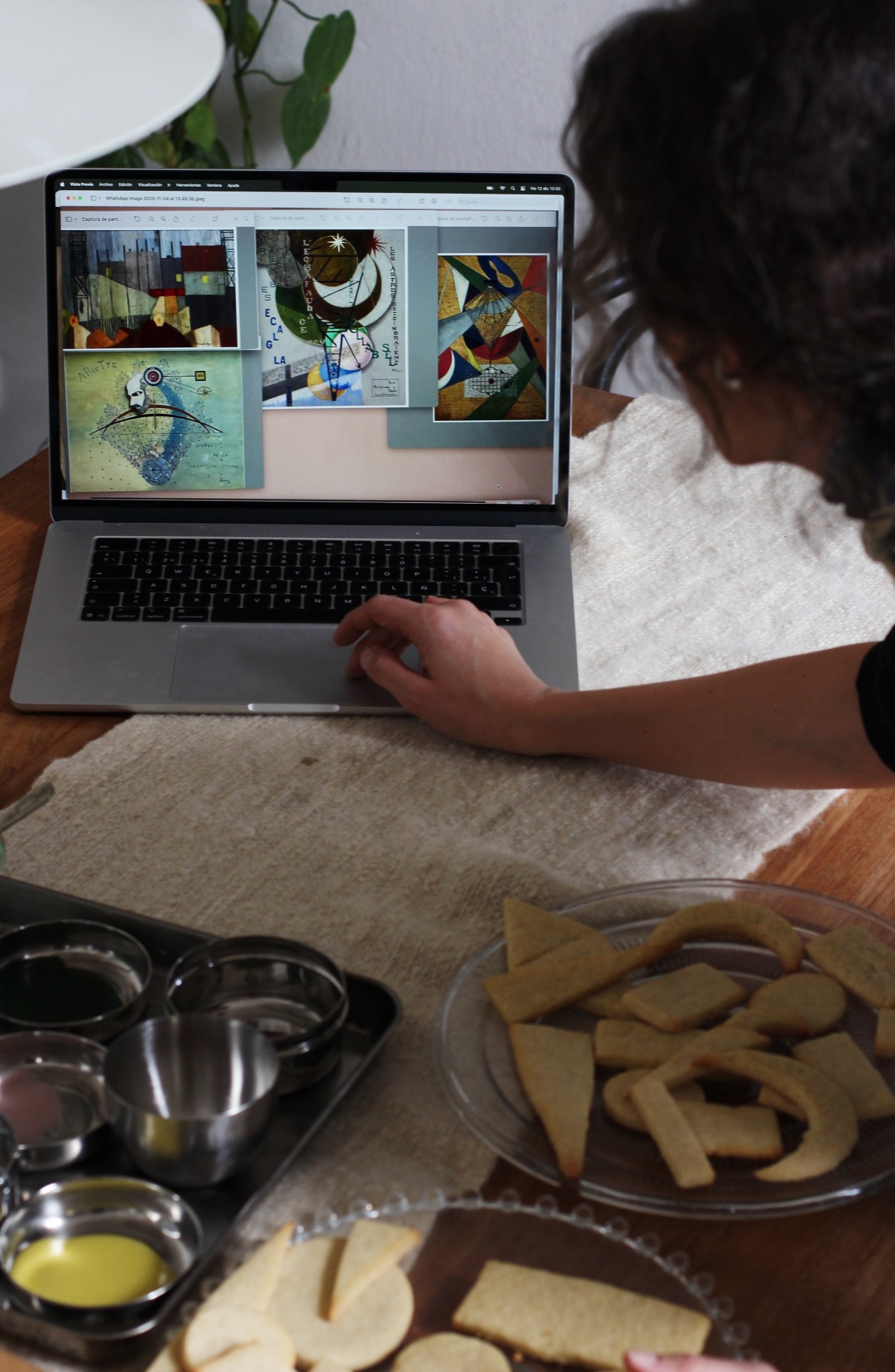
A person is looking at a laptop with artworks, while various cookies and art supplies are nearby.
Photo: Genevieve Thurston
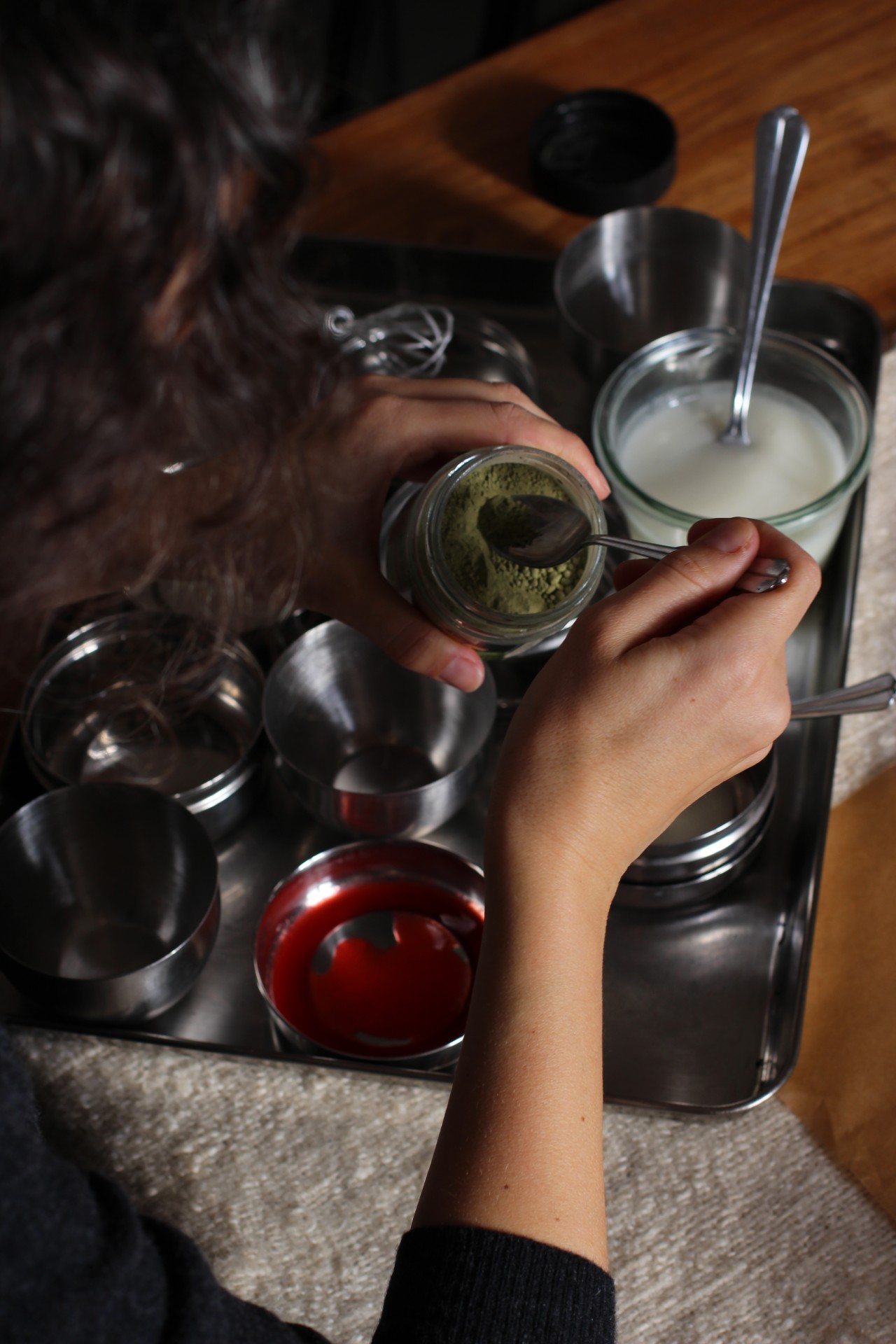
A person mixes various ingredients in a bowl on a table with metal containers and spoons.
Photo: Genevieve Thurston

Glasur

Frosting

Basic recipe for sugar frosting:

  • 240 g icing sugar
  • 2 tbsp lemon juice
  • 1–2 tbsp water (hot)
  • 2–5 drops of food coloring depending on the intensity you are looking for

Lorem ipsum

Mix the icing sugar and lemon juice and gradually add the water until your frosting has a nice thick consistency (it should evenly coat the back of a spoon).

Lorem ipsum

Colors

We prepared the colored glazes for our Duchamp cookies ourselves using plant-based food-dye ingredients. It’s really simple and gives you great color tones!

We used the following ingredients:

  • Matcha powder (green)
  • Turmeric powder (yellow)
  • Beetroot juice (pink to dark red, add a little baking soda to get blue)
  • Raspberries (pureed, stewed and squeezed through a sieve for a bright red)
  • Cinnamon (brown)
  • Black cocoa (black, grey)
  • Carrot juice (orange)

Lorem ipsum

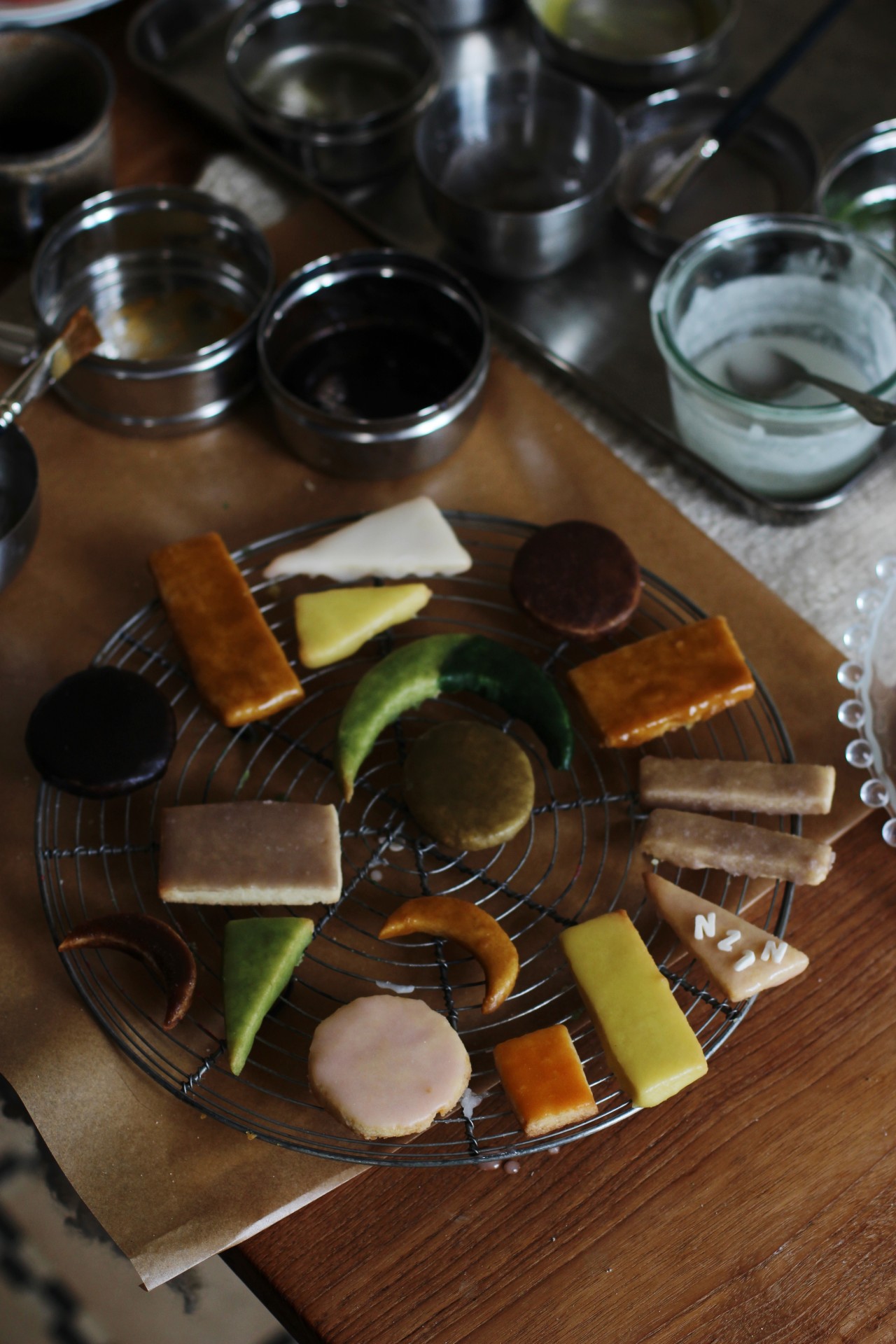
Take a little portion of the white frosting and mix it with the different food dyes you’re using. When you mix the colors do it very slowly until you get the exact tone you want – which often pops up faster than you might expect!

A flat brush is ideal for applying the frosting to the cookies.

Should the frosting start to dry out while you are still busy decorating your cookies just add a few drops of water to make it smoothly liquid again.

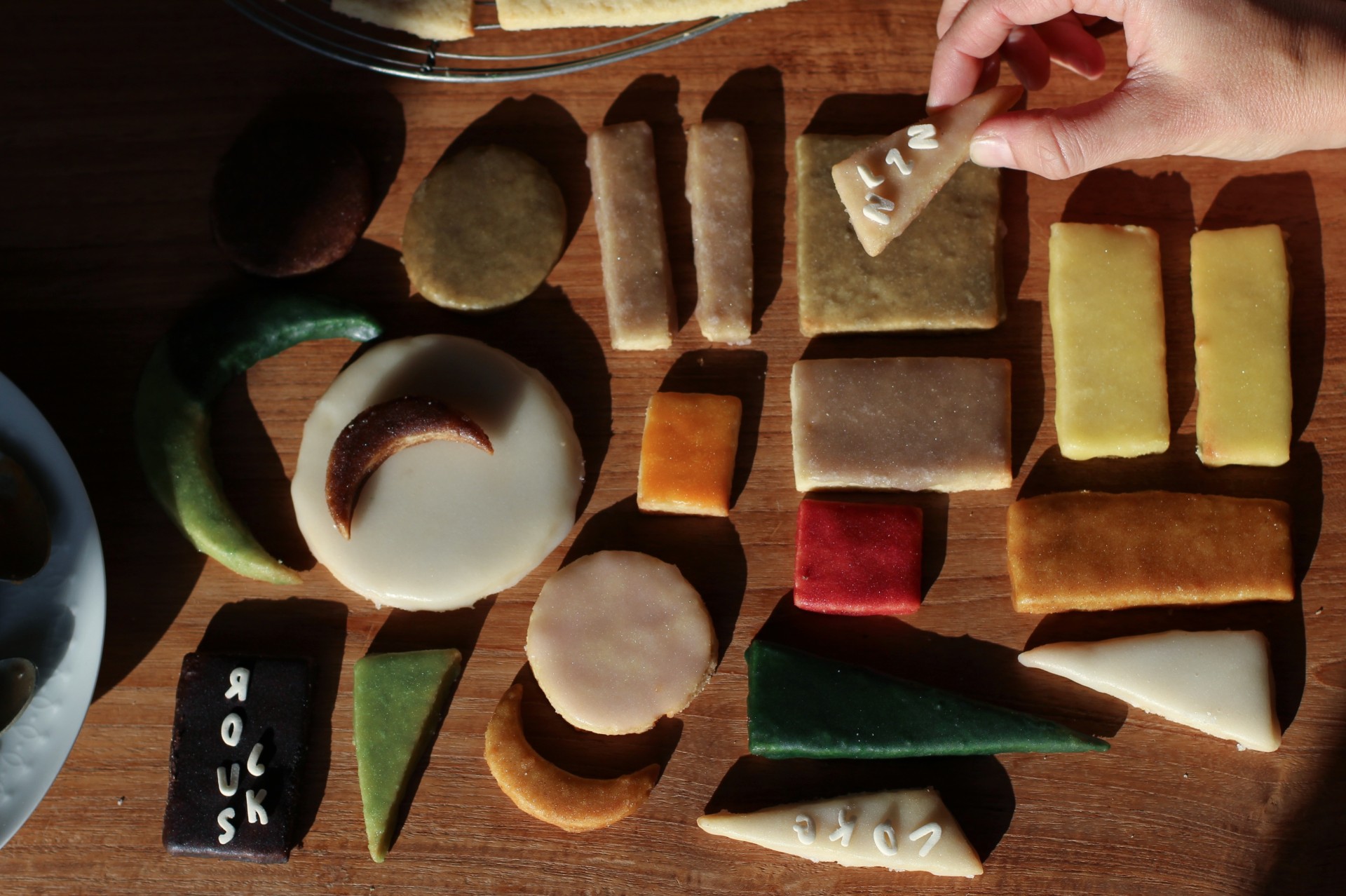
In addition to the frosting, we also used colored letters made of sugar; you’ll find them in most supermarkets next to the candy decorations.

Once your frosting has hardened, the cookies are good to go and can be arranged to form your very own artwork (or eaten on the spot).

Lorem ipsum

Wishing you lots of seasonal fun baking your Dadaist cookies and much creative enjoyment in the run-up to Christmas!

And we’d be delighted if you choose to share photos of your cookie creations with us by tagging us on Instagram (@schirnkunsthalle)!

Colorfully decorated cookies on a rack, surrounded by various bowls of icing and ingredients.
Photo: Genevieve Thurston
Hands place freshly baked cookies on a cooling rack to let them cool.
Photo: Genevieve Thurston
Colorful, geometrically shaped cookies are on a wooden board, some decorated with inscriptions.
Photo: Genevieve Thurston

What do the kitchens of the artworld look like?

From Frida Kahlo to Christo