

SCHIRN Questionnaire: Rosa Barba
01/07/2026
6 min reading time
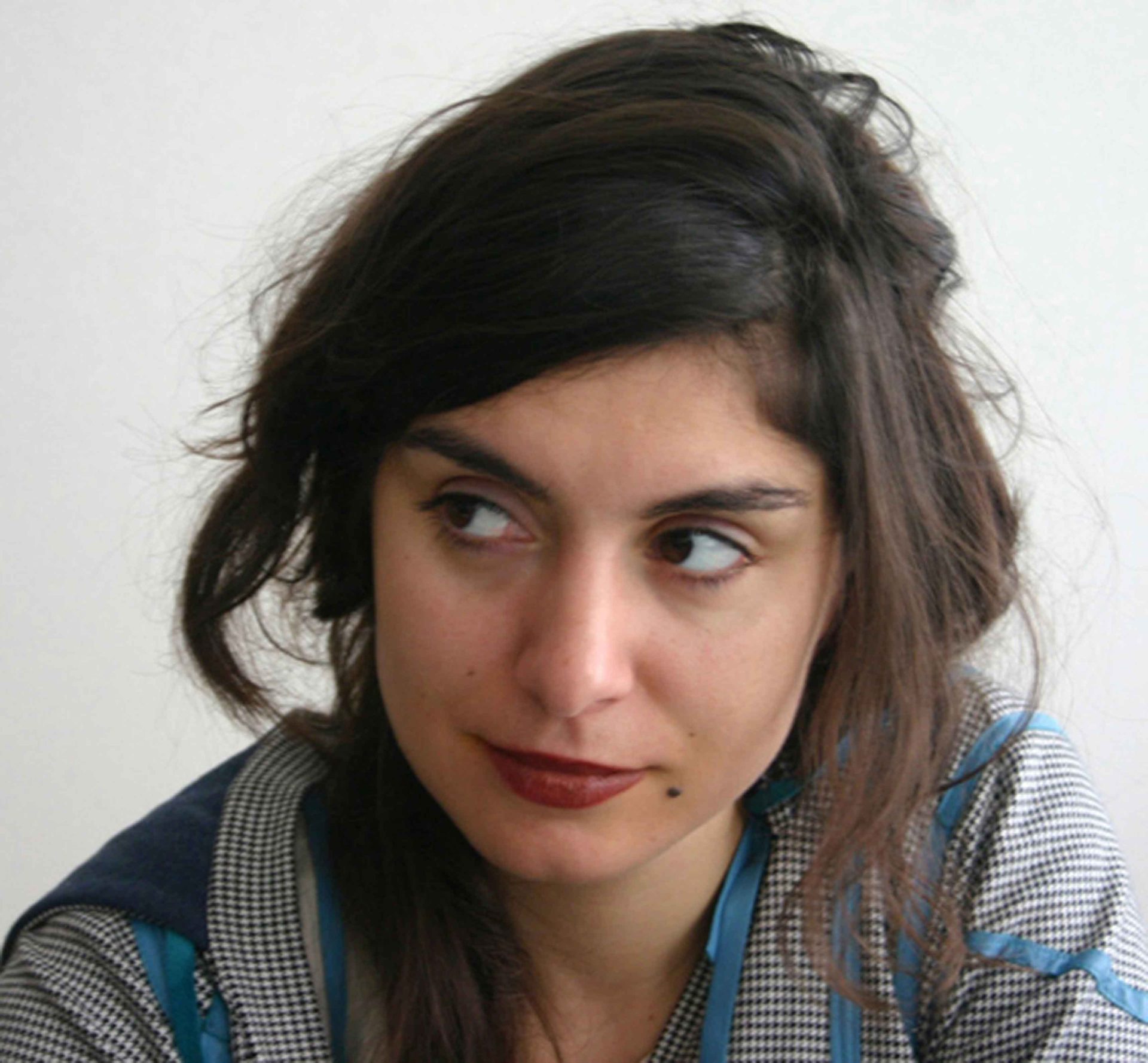
A look forward — a look back. Our author Theresa Weise asks selected artists who have created a site-specific work for the SCHIRN Rotunda the same 10 questions: from favorite artworks and texts, to routines in the studio, to thoughts on artistic practice and new projects. This time with Rosa Barba.
Rosa Barba is an Italian-born, Berlin-based artist whose practice intertwines film, sculpture, sound and language. Her work explores questions of perception, temporality and memory, often beginning from specific sites whose political and material histories she translates into immersive cinematic landscapes. By treating film not only as a medium but also as material, Barba expands cinema into a sculptural and architectural language that envelops the viewer.
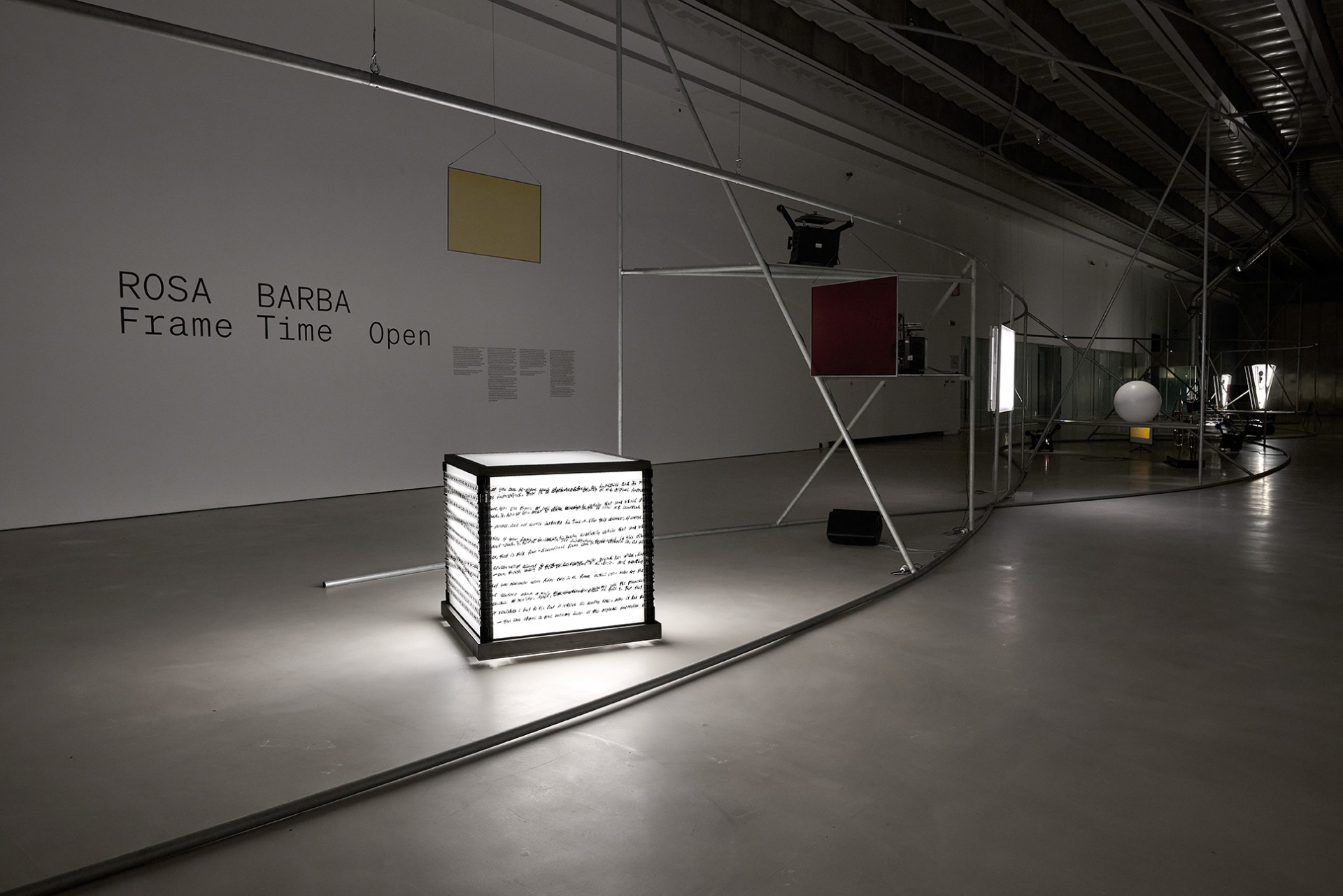
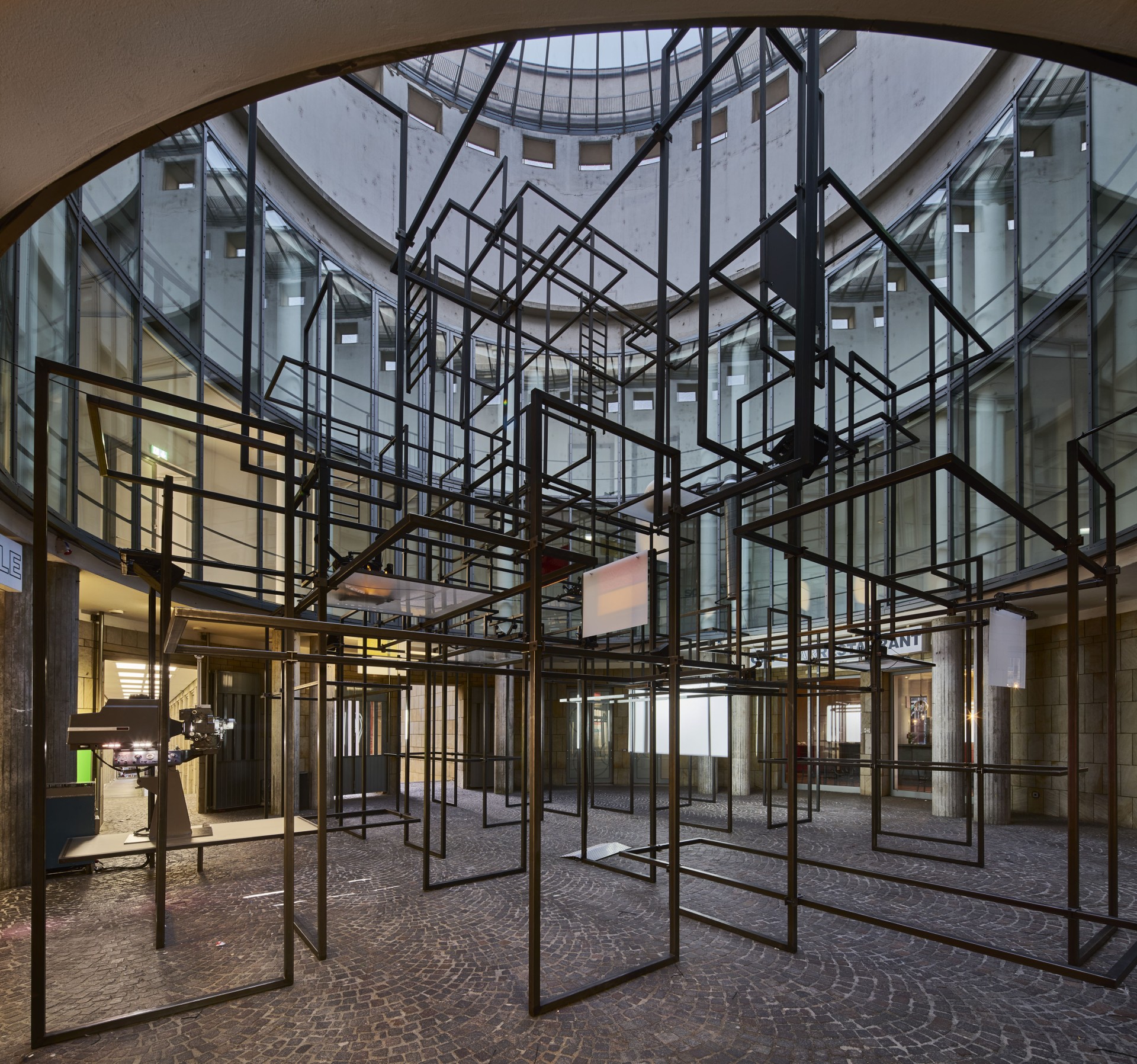
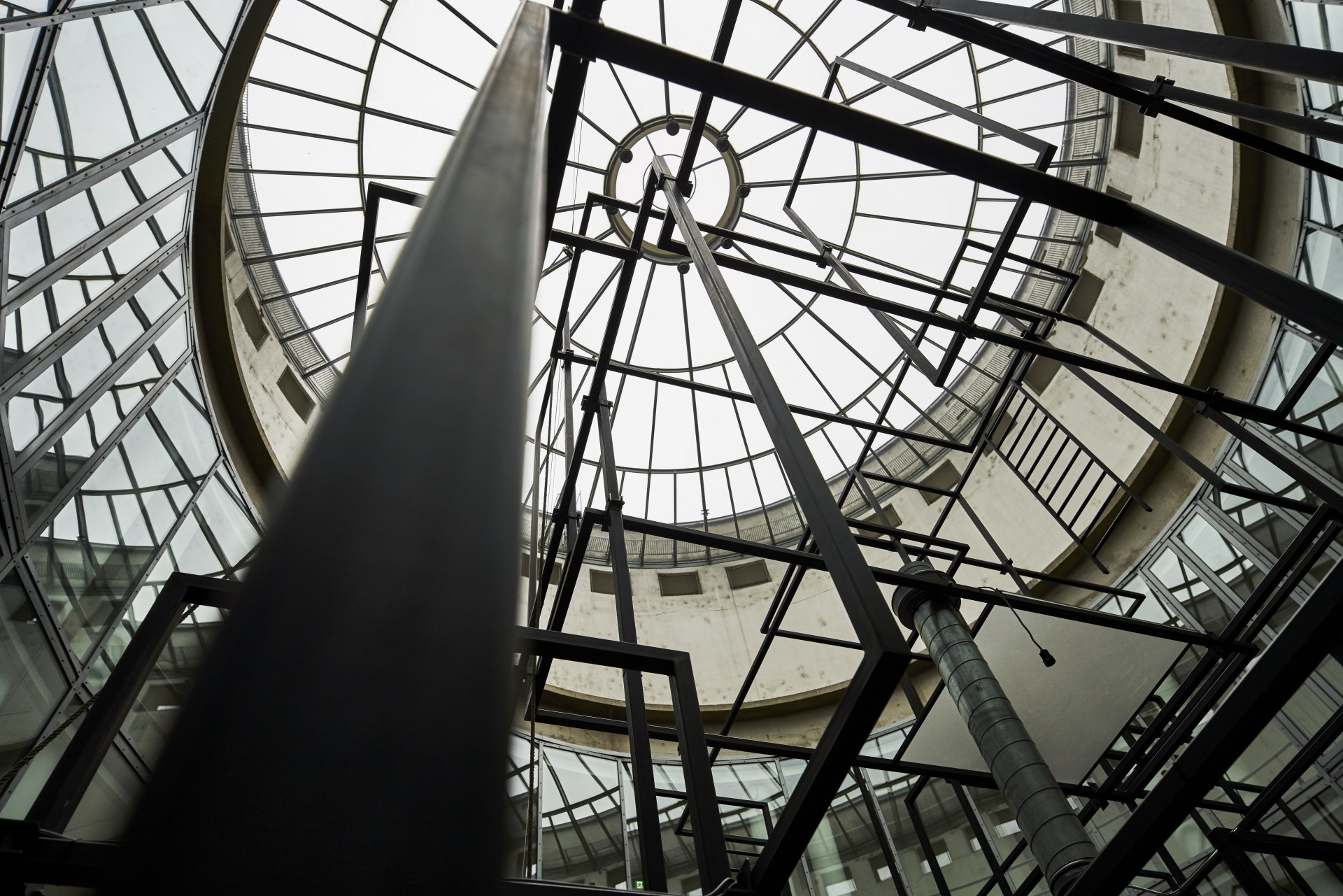
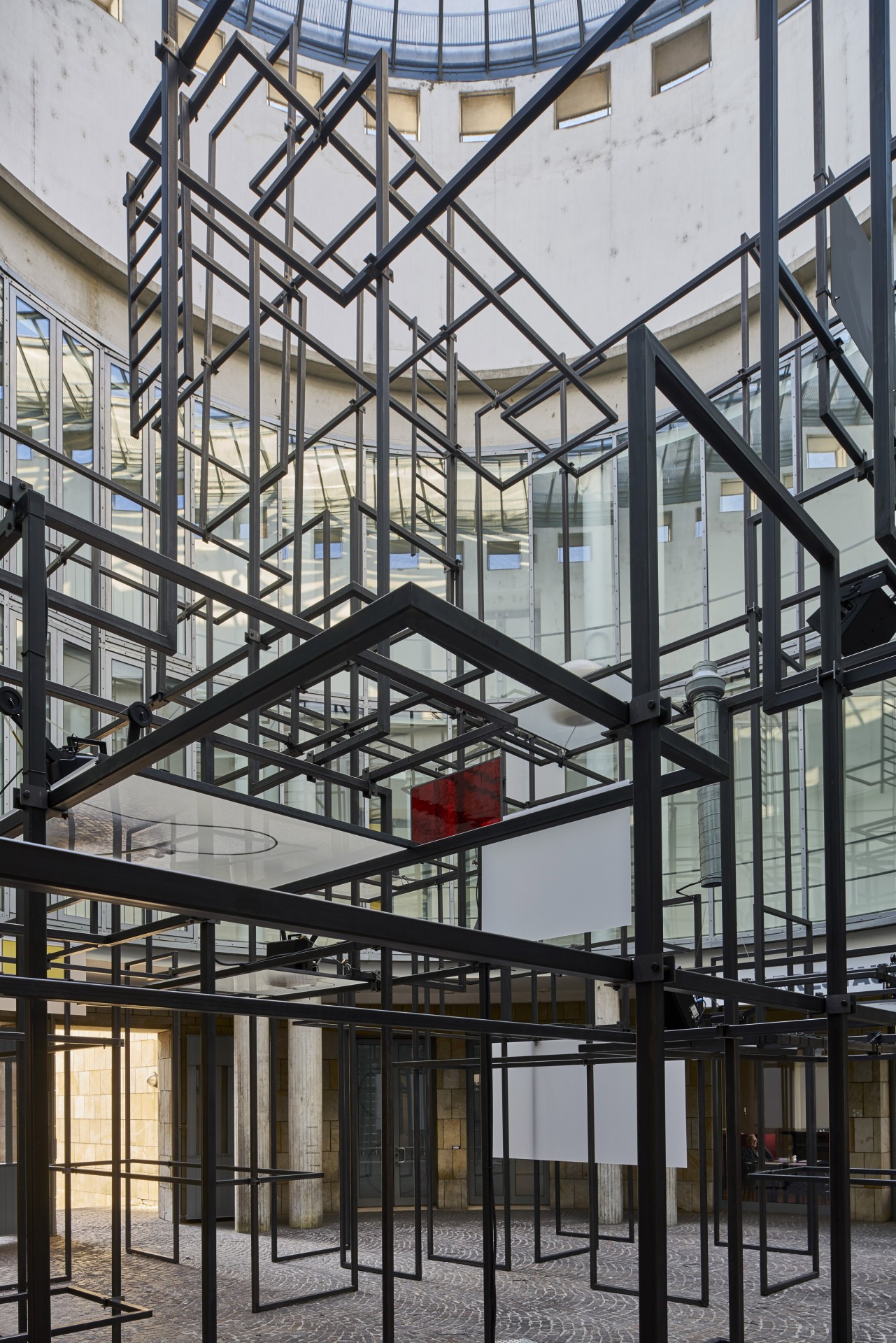
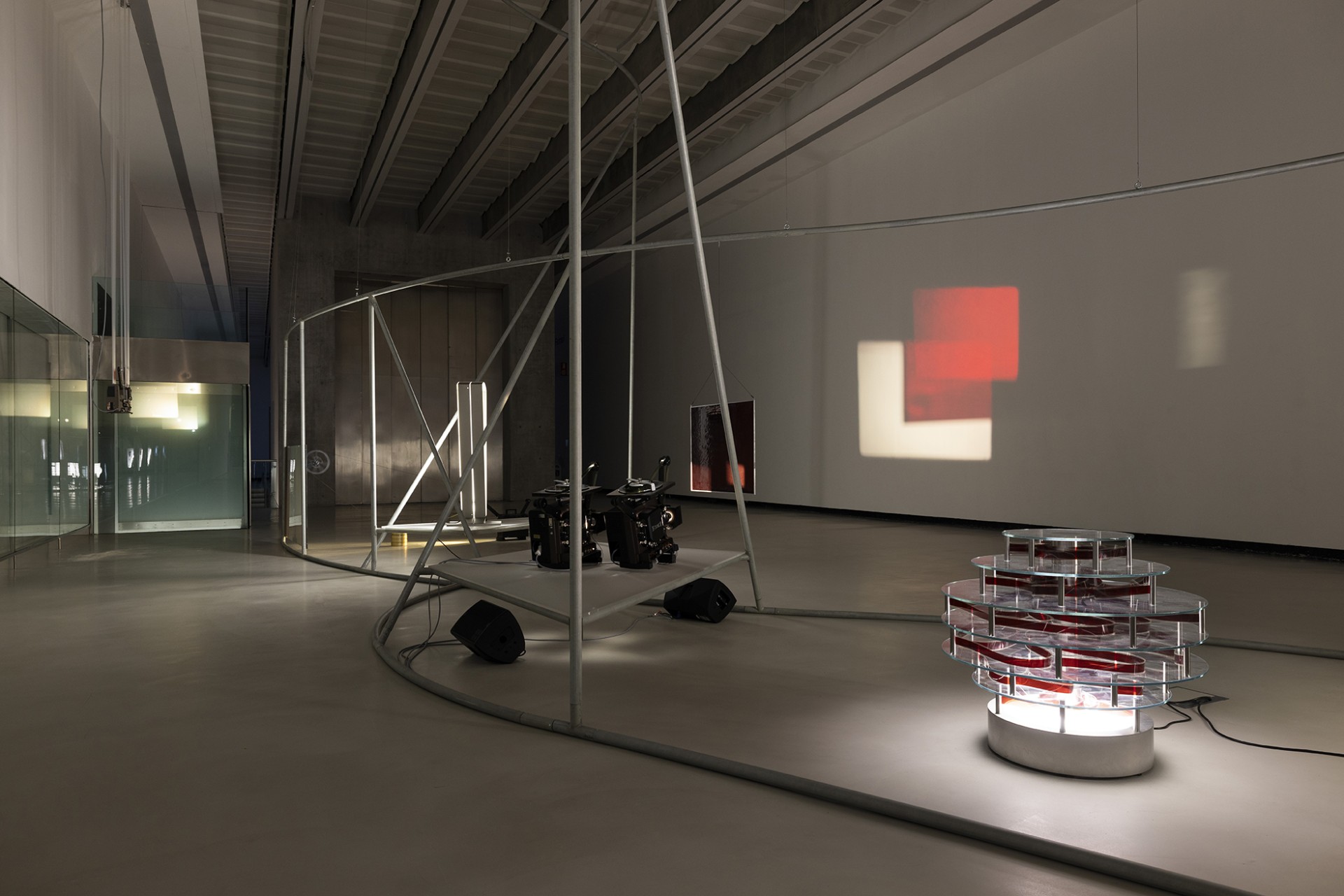
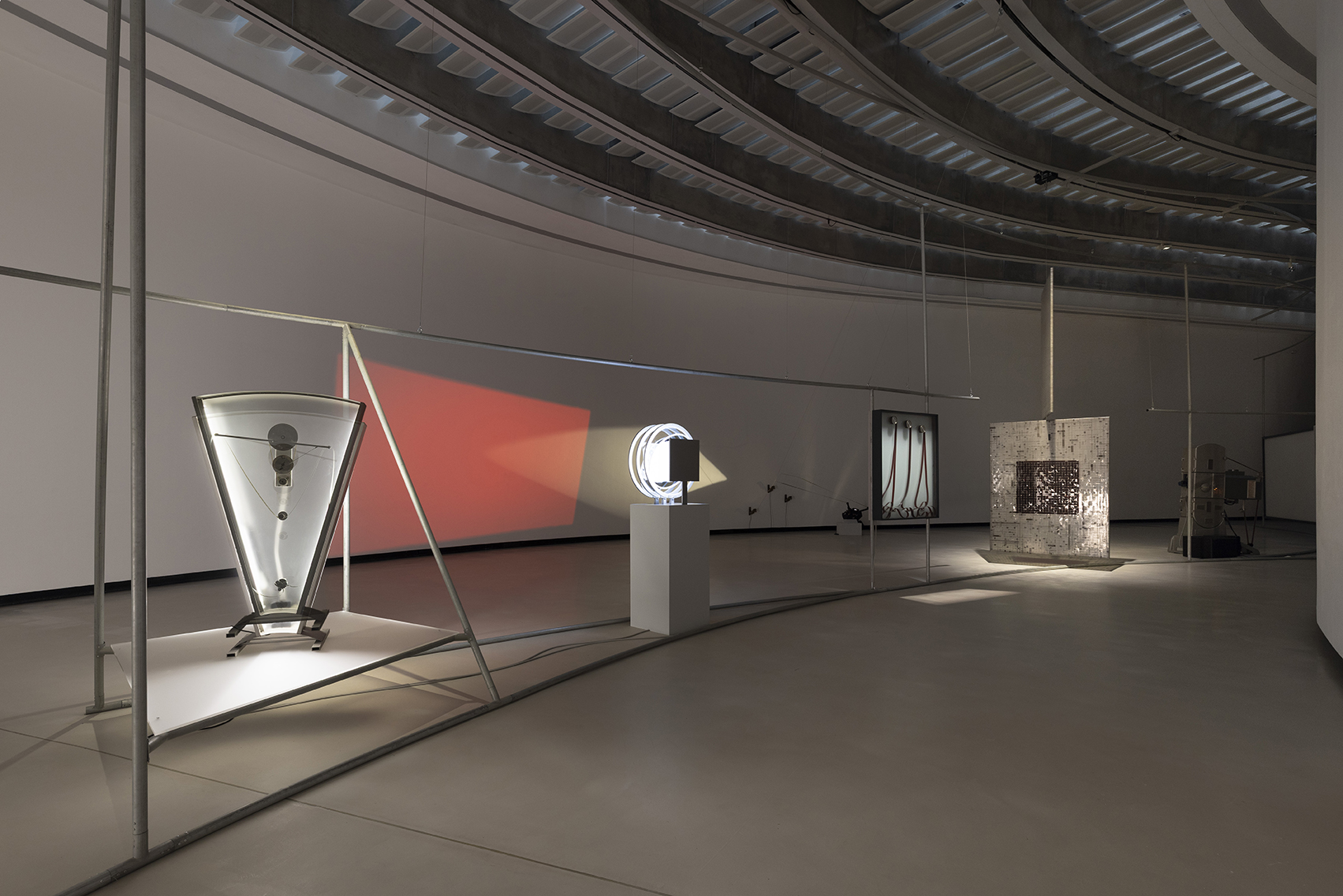
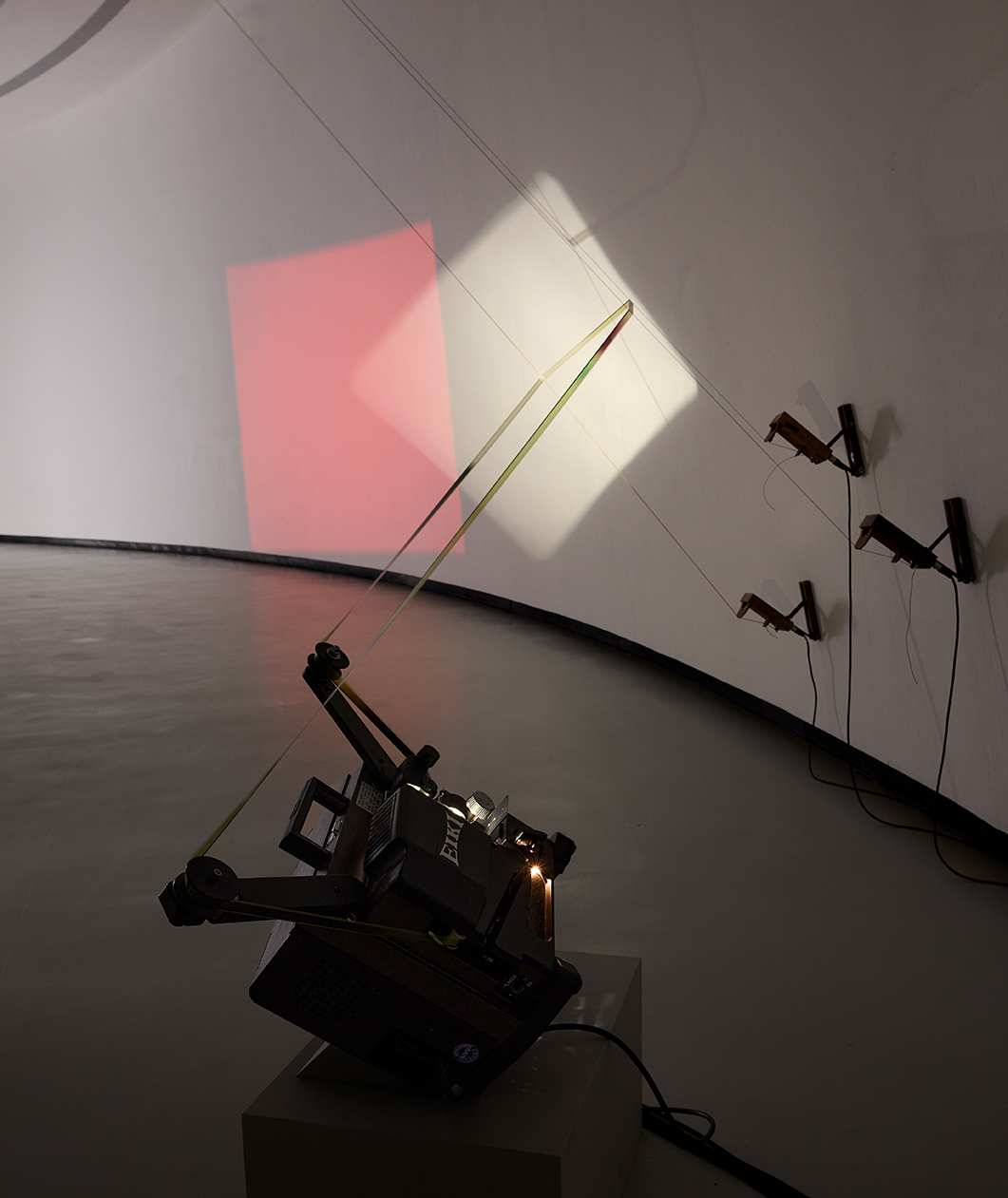
In 2017, Rosa Barba exhibited at the SCHIRN ROTUNDA, responding to the specific conditions of the freely accessible public space. The show “Blind Volumes” combined video and sculpture, almost completely enveloping the ROTUNDA with a skeleton of steel, creating a visual labyrinth of image, light and sound, while incorporating existing works that were shown in a new context and order.
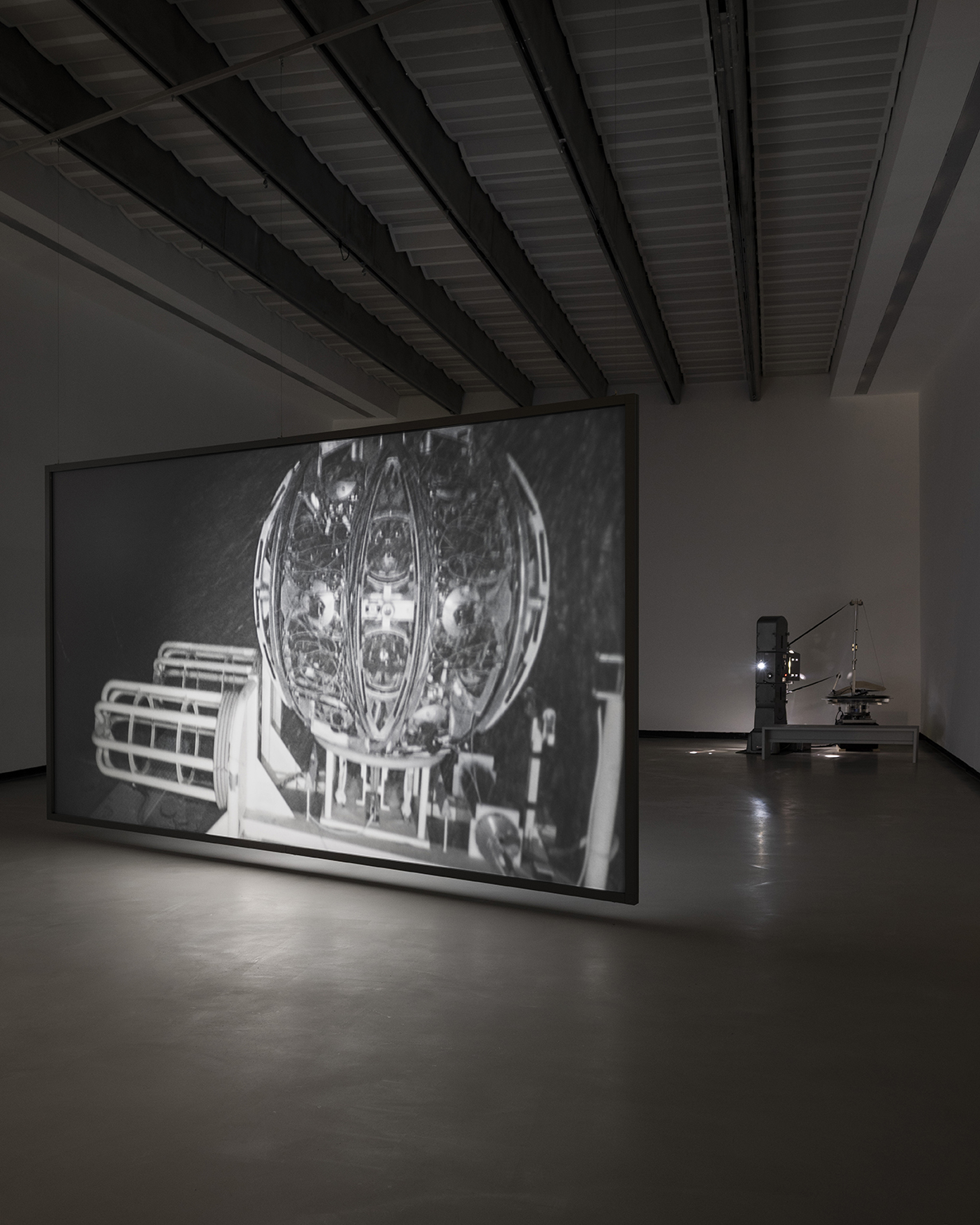
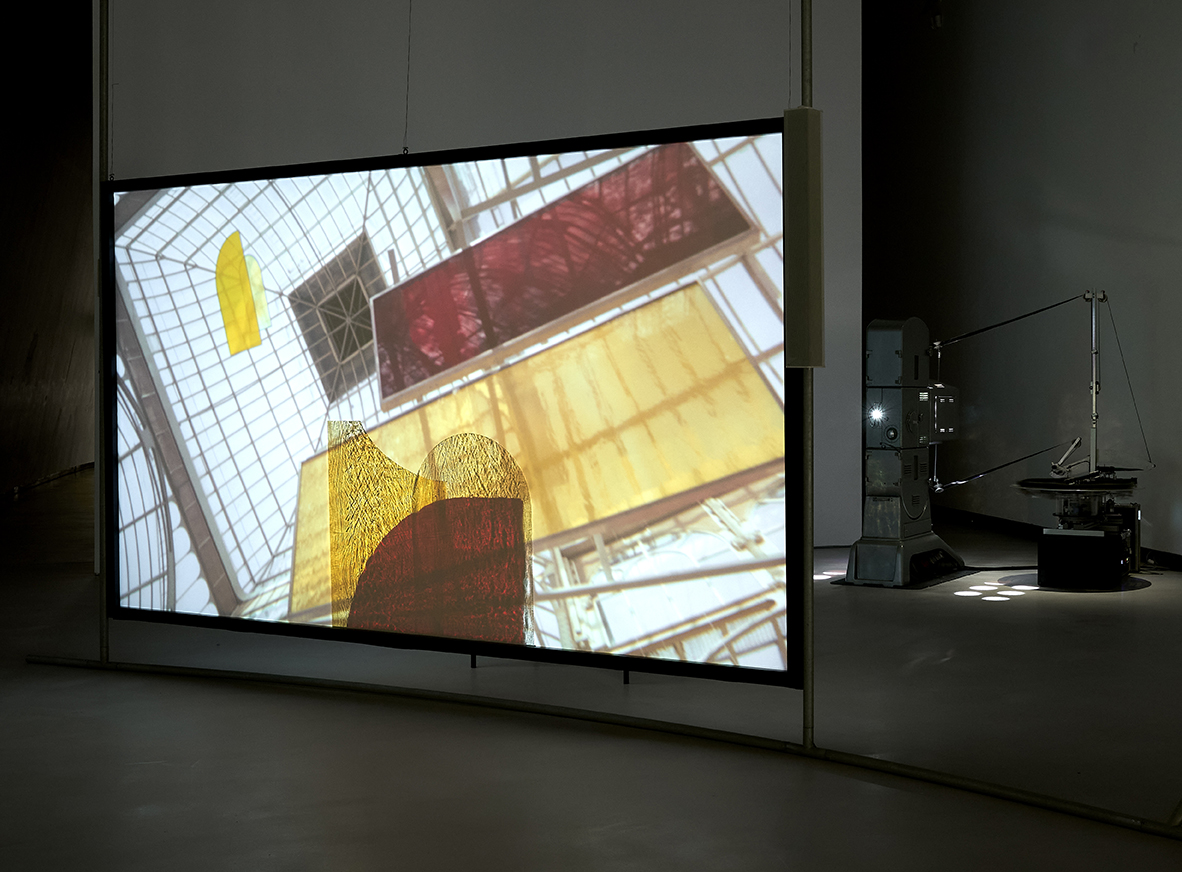
For Barba Rosa, cinema “allows time and space to vibrate, collapse, overlap, and extend.” By ostensibly and deliberately displaying usually hidden Projectors, reels, and light sources, they become sculptural elements in installations that probe the boundary between image and object, truth and fiction. In her films — shot predominantly on analog stock —landscapes and infrastructures are traced as if with a drawing instrument, producing poetic encounters between documentary traces and fictional narratives. This approach invites audiences to experience cinema as a space of reflection, where presence and absence are held in delicate balance.
She has just opened a mid-career retrospective at MAXXI in Rome. The exhibition spans over two decades and brings together a selection of some of Barba’s most significant sculptural works and films including a new 35mm film and a new sculpture.
When did you first call yourself an artist?
ROSA BARBA
I made films and took photographs early on but probably called myself an artist when I had first recognitions and invitations for exhibitions.
What does a day in your studio look like?
ROSA BARBA
That varies from day to day. There is always the obligatory admin, there are conversations and discussions with the team solving challenges, and all kinds of agents from the arts. Cooking lunch and eating together. And there is a persistent delight to work on projects themselves, sound-image editing, model making, prototyping etc.
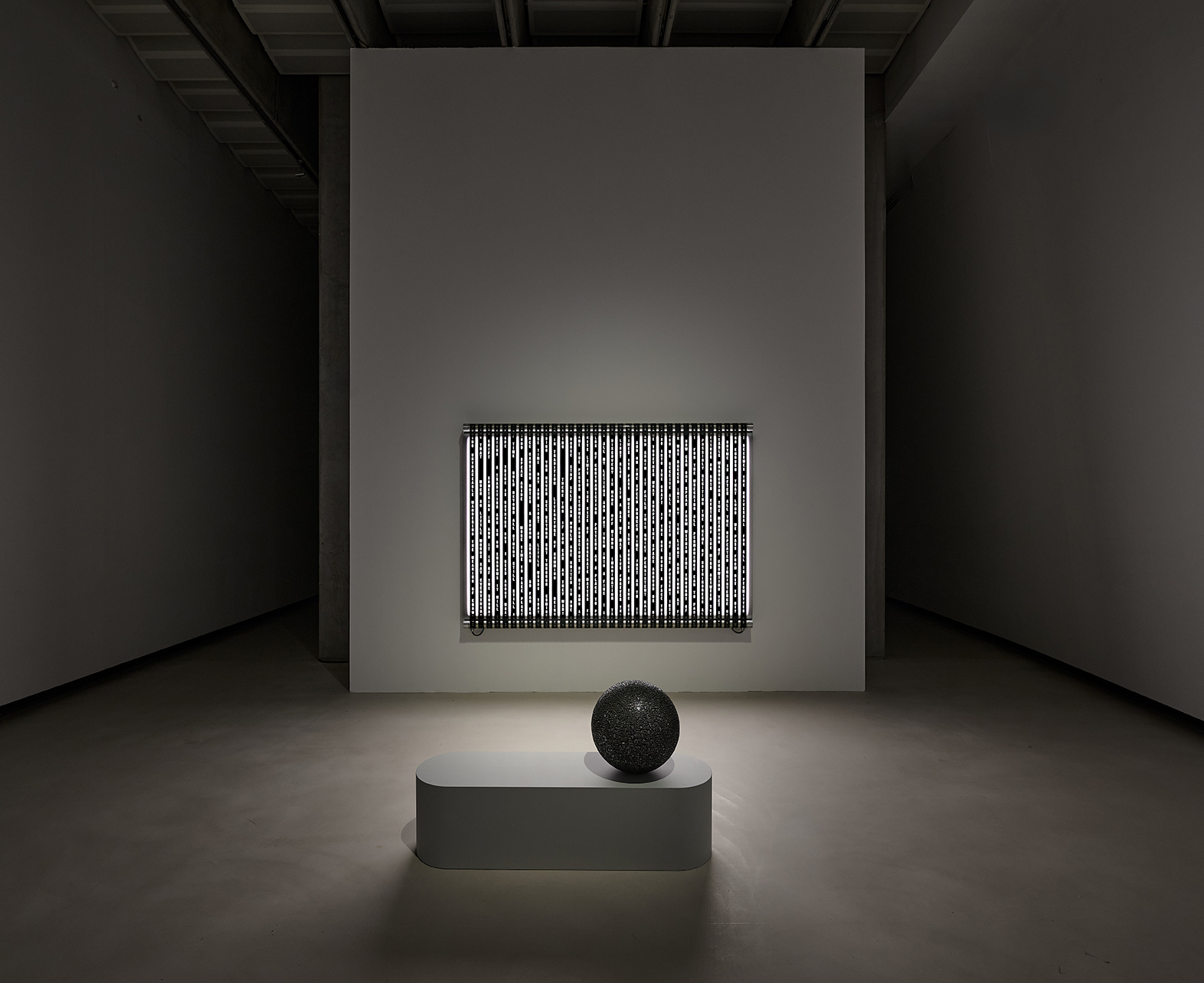
Language infinity sphere, 2018
What were the central elements of your artistic practice for the SCHIRN exhibition in 2017 and how would you describe your current practice?
ROSA BARBA
Blind Volumes! Inspired by author and librarian Jorge Luis Borges’ “Library of Babel”, there was a deep concern with the way the exhibition (a platform and vertical stage) can function as a container of fictional possibilities and narratives that might be encompassed by an invisible volume. Blind volume. What is a volume of an exhibition that said?
I reacted to the singular site of SCHIRN, being a public space but also embedded in the museum architecture. I saw the museum with the different floors as vertical platforms to look at different heights of the sculpture as a display for films and other sculptures. How can it remain in process by various interactions? How does the singularity of the exhibition’s architecture come alive, speak, communicate, share, provoke?
Blind Volumes consisted of a structure of 80 steel frames that formulated the vocabulary of the museum’s architecture. It was a stage for ongoing performances within the piece itself.
This is a method I have been developing further in my practice and recent exhibitions.
When do you know that a piece of work is finished?
ROSA BARBA
When it lives-breathes (without me).
What is the meta-level of your work?
ROSA BARBA
Relating to many other narratives and conceptual ideas.
What is your most beautiful memory in the context of art?
ROSA BARBA
When an artwork emerges out of a situation or a contemplation of nature, as a community encounter — something that is not necessarily possible to “make” but it’s created through an oscillating experience of a camera meeting an incredible force of nature and humanity. When you realize that it’s made around and with you.
Which artwork has influenced you the most in your life?
ROSA BARBA
I remember a very deep fascination with the film “Me and my Brother”, by Robert Frank.
Lorem Ipsum
Which text (poem, essay, novel, etc.) should everyone read at some point?
ROSA BARBA
The ‘thing’ (poem, essay, novel) will choose you.
Which exhibition will you see next and what project are you currently working on?
ROSA BARBA
My current project is initially based on a special event that took place in the Sicilian waters. There will be a film.
If you had unlimited resources, what kind of artwork would you want to realize?
ROSA BARBA
It would involve certain communities perhaps. How do we approach ‘resource’ in the present? Is there anything like ‘unlimited resources’? This depends on the politics of positioning. There is the larger question of an ethos inherent to an artwork.
SCHIRN QUESTIONNAIRE
As the SCHIRN Rotunda currently remains vacant due to the SCHIRN’s renovation and temporary move to Frankfurt-Bockenheim, we are using this moment to look back at some of the most beautiful Rotunda projects and also take a look at the artists’ current exhibitions. With the SCHIRN QUESTIONNAIRE, our author Theresa Weise asks all artists the same 10 questions: from private insights into favorite artworks and texts to thoughts on artistic practice in the SCHIRN Rotunda and current exhibitions to the moment when the sentence “I am an artist” was uttered for the first time: the questions provide a deep look and shed light on the artists’ private lives and practice.