
From Studio to Dining Table: Ólafur Elíasson
12/18/2020
7 min reading time
Are artists particularly creative when it comes to cooking? A look into the kitchens of the art world. This time with Ólafur Elíasson and the world’s most delicious sandwich.
Lorem Ipsum
Alice Waters, chef and co-founder of the famous Californian slow food restaurant Chez Panisse, summed up the close connection between art and cooking: “…they are both reactive and creative, imitating and adapting to each other.” So is there a connection between what happens in the studios of artists and what happens in their kitchens? Are there references to their work and personality? Are artists particularly creative when it comes to the everyday act of cooking? With the help of anecdotes and photos about their kitchens and eating habits, we provide insights into the culinary worlds of well-known artists.
Anyone who steps out onto the roof of Ólafur Elíasson’s four-story studio in Berlin Prenzlauer Berg – which boasts a total of 5,000 square meters in a former brewery building – will discover a vegetable and herb garden in which, depending on the season, beans, fennel, pumpkins or carrots grow. Where we spot simple vegetable patches, the Danish-Icelandic artist sees much more: a regenerative solar plant that produces edible energy for him and his team. Each head of salad is a small battery that stores the sun’s power until it is harvested and eaten.
Lorem Ipsum
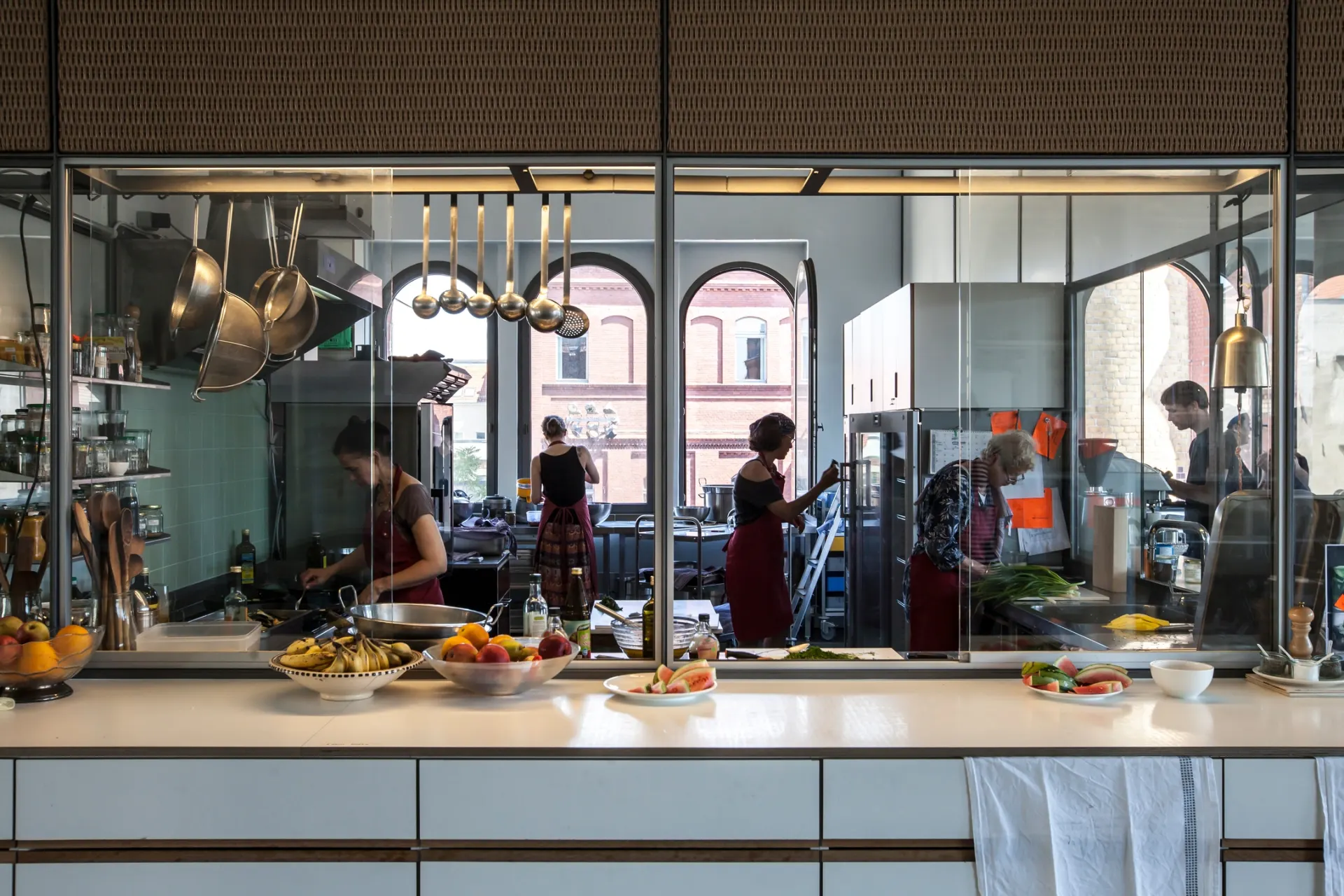
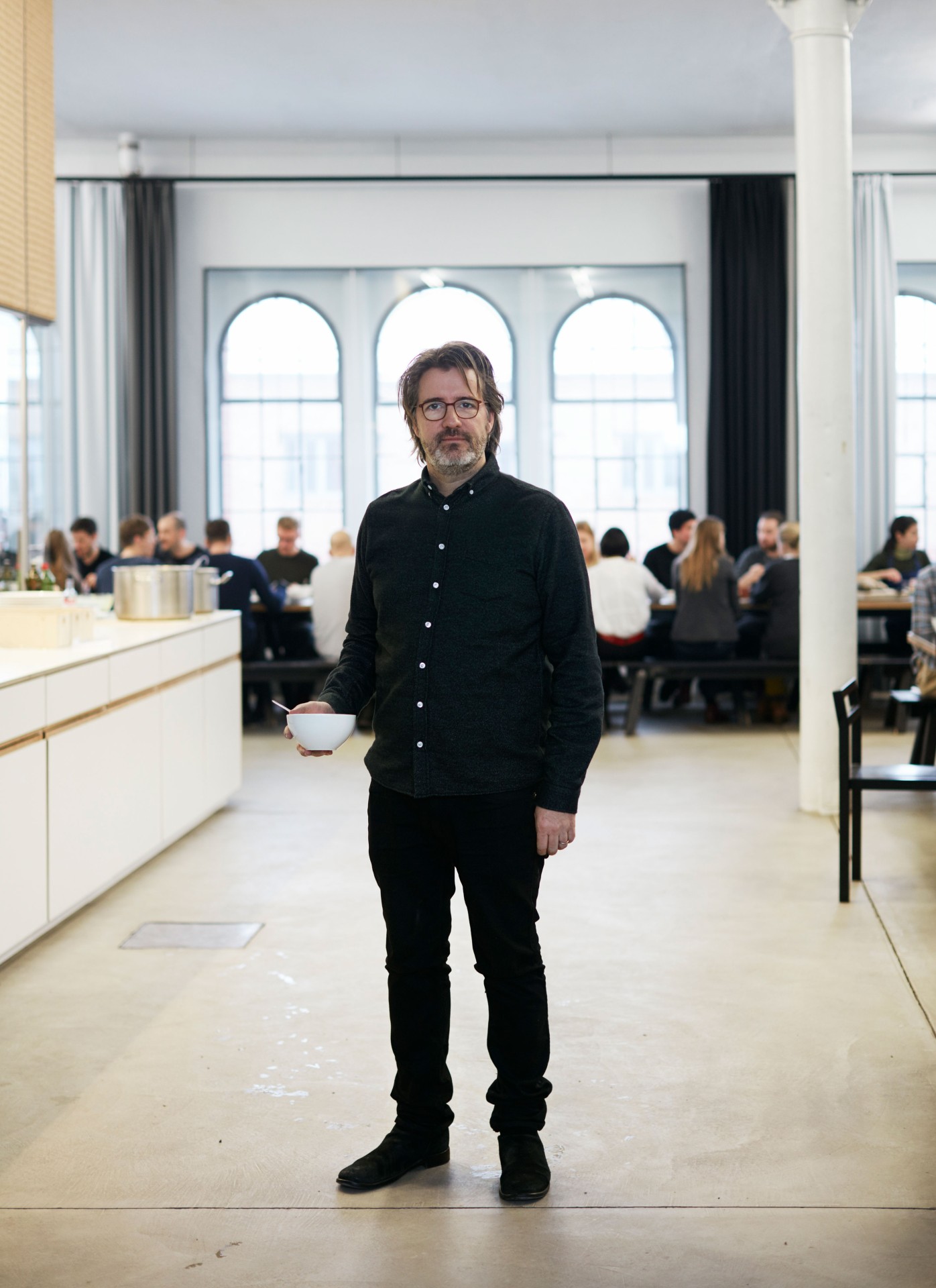
The concentrated solar energy is served two floors down in the studio’s spacious canteen, the heart of which is a standalone, glass-covered kitchen. Four days a week, the team of five women prepares a vegetarian meal for the 100-odd staff members, using seasonal organic produce from the region. On the dot of one in the afternoon, the engineers, art historians, programmers, architects, artisans and artists – yes, Elíasson’s projects are that diverse and multidisciplinary – flood into the canteen from all corners of the building, sit down at the long black tables and take lunch. The boss bears the cost, as a gesture of gratitude and to give his staff a place for informal interaction. One practical side-effect: Anyone who eats the fresh, healthy food served by the studio kitchen each day will have a stronger immune system and fall ill less often.
Although the cooks work in a glass box, they are most definitely not separated from the rest of the studio. They come from the fields of dance, theater, film, and the fine arts and their work goes far beyond making certain the staff are all well-fed. They experiment with new forms of preparing food, organize workshops on topics such as fermentation or microorganisms, go on research trips (for example to “Potager du Roi”, an experimental garden at the Palace of Versailles) and work closely with other teams. For the in-house “Sustainability Research Lab”, they transformed kitchen waste such as leek leaves or onion peels into pigments by dehydrating them, then used these to make color samples for future watercolor paintings.

Lorem Ipsum