

From Studio to Dining Table: Lee Krasner & Jackson Pollock
09/27/2020
10 min reading time
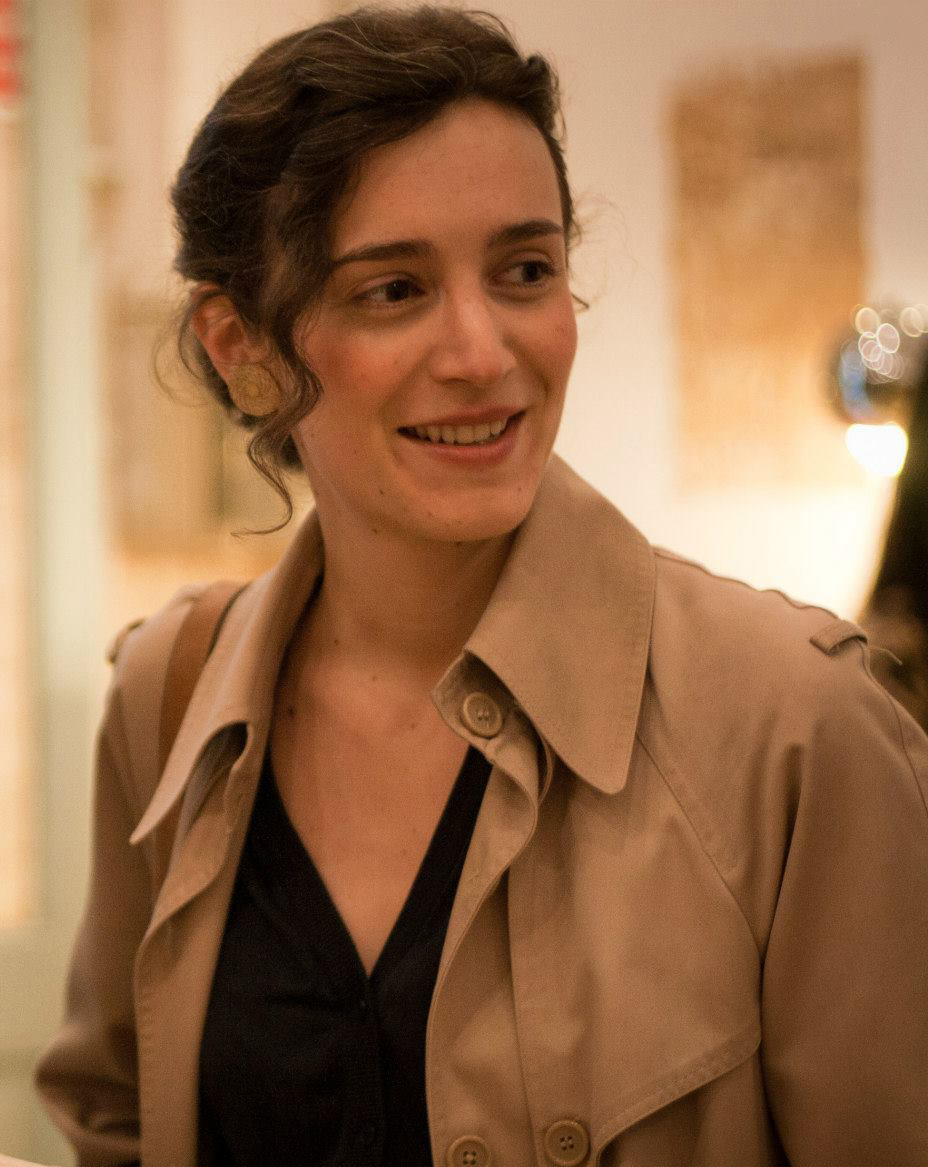
Are artists particularly creative when it comes to cooking? A look at the legendary artist couple Krasner & Pollock and their culinary entanglements.
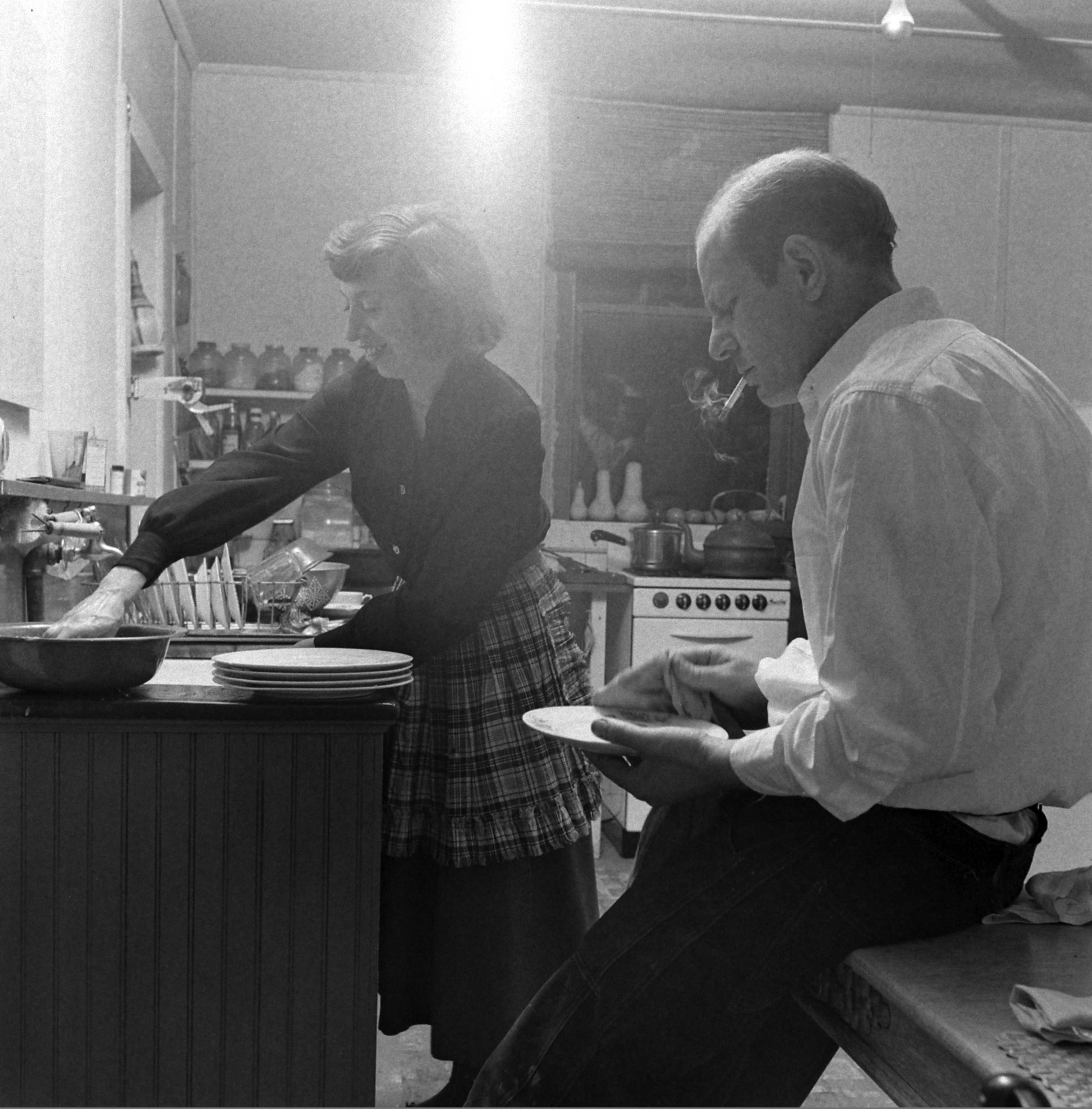
Lorem Ipsum
Krasner’s talent for networking played a central role in Pollock’s emergence as one of the most influential artists of the 20th century, as she put her husband into contact with the key players in the art business. In their first apartment in Greenwich Village, Krasner and Pollock together organized dinner parties to which they invited artist friends, curators, and art critics. At the very first dinner they hosted, the guests included Howard Putzel, assistant to art collector and patron Peggy Guggenheim, who later took Pollock under her wing as her protegé.
Born in 1908 as Lena Krasner in Brooklyn, New York, Lee Krasner was the child of Orthodox Jewish parents who had fled the Russian pogroms in their hometown near Odessa, Russia (now Ukraine). After arriving in America, Anna and Joseph Krasner ran a market booth at Blake Avenue market in Brooklyn, where they sold fruit and vegetables as well as fish. Although fresh food placed a central role in the family’s everyday life, Lena herself showed no interest in cooking for many years. Moreover, she rejected the rigid gender roles in the Orthodox community: When her sister Rose died unexpectedly in 1928 as a result of appendicitis, Krasner refused to comply with the traditional Orthodox practice of marrying the widower William Stein.
Living together with Pollock prompted Krasner to become active in the kitchen if only because the meals of her childhood played no role in this new chapter in her life. Instead she took her cue from the Pollocks’ family recipes and learned to prepare classic Midwest and New England meals as well as Southern dishes. She also experimented with French cuisine, which was the flavor of the month in New York, soon becoming a seasoned cook.
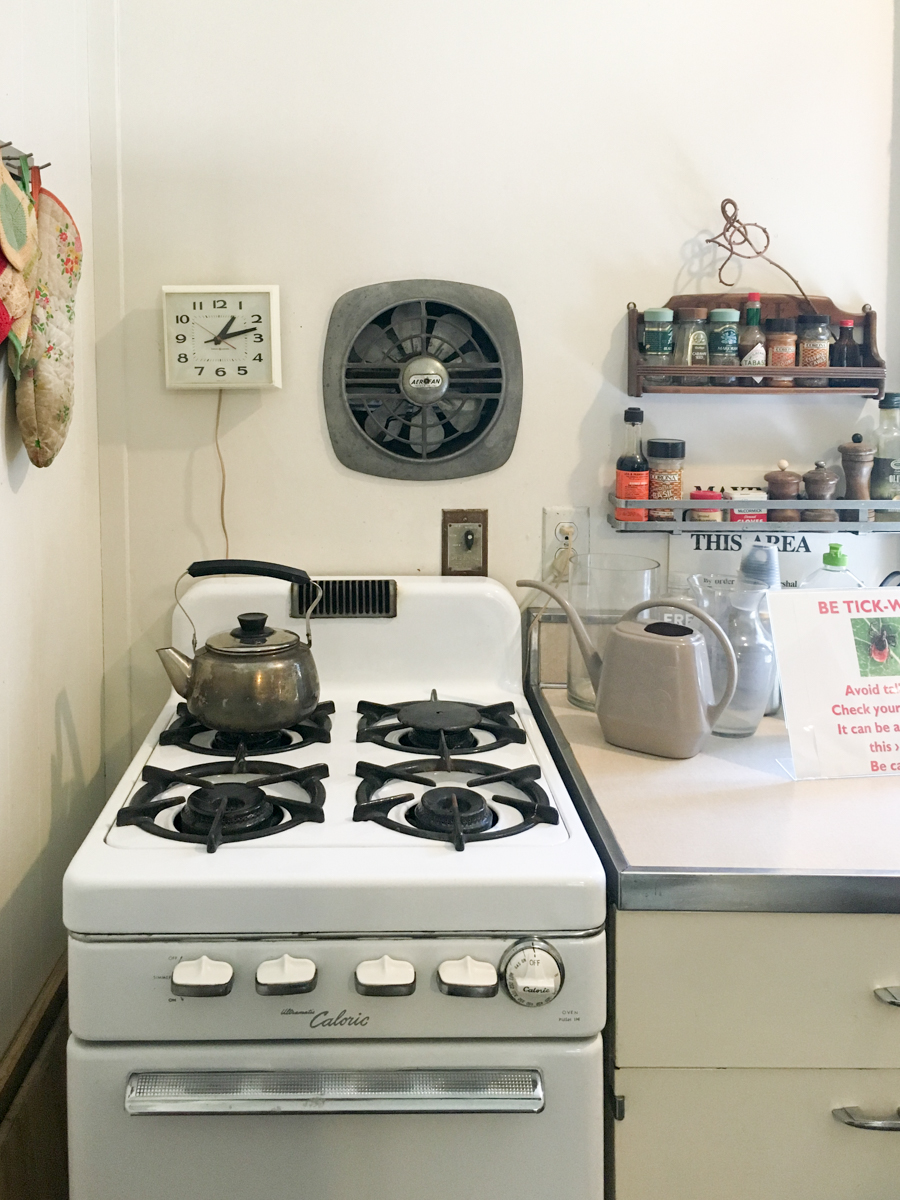
Lorem Ipsum
Stella Mae McClure Pollock, Jackson Pollock’s mother, was a talented and passionate cook who also loved baking; in fact, even after a long day at work she did not shy away from serving up an elaborate multi-course meal. She passed not only her passion for good food onto her five sons, but also her entire culinary knowledge: in the form of a handwritten cookbook with over 100 recipes that Krasner and Pollock used very frequently down through the years they lived together. Jackson’s father LeRoy Pollock was, among other things, a farmer, and on the family’s own farm in Phoenix, Arizona, where the family lived for four years, the home produce included corn, tomatoes, pumpkins, beans, strawberries, apricots, and huge watermelons. The family lived off the proceeds of selling the fruit and vegetables, but Jackson’s mother always selected the best from the vegetable garden to use as ingredients in her own kitchen.
When Krasner and Pollock moved to Long Island and purchased a 19th-century farmstead at the southern tip of the peninsula, the East End, one of their very first projects was to establish a vegetable garden even before they had had an indoor toilet or heating installed. Jackson as a child had come to see the availability of fresh fruit and vegetables as a matter of course and it was with the same motivation that on his own land he now set about growing eggplant, beetroot, potatoes and many other kinds of vegetables, busied himself with gardening and making preserves. Moreover, given the variety of wild herbs and fruit that grew on the island, the almost unlimited range of fish and crustaceans on sale locally, and the possibility of buying meat, fresh eggs and dairy products at favorable prices from farms in the vicinity, the couple were able to eat healthy and highly varied meals despite their dire financial straits and the in part inflationary food prices after the end of World War II.
The relocation to Springs, East Hampton, far away from the epicenter of the contemporary art scene, by no means spelled at end to Krasner’s practice of regularly inviting friends and potential business partners to dinner. The idyllically positioned house with its view out over the salt marshes that ran as far as Accabonac Creek provided the ideal backdrop for a leisurely dinner and undisturbed conversations, and a weekend trip to Springs was welcome recreation for many “Manhattanites”. For example, Peggy Guggenheim, Elaine and Willem de Kooning, Le Corbusier, Clement Greenberg and his girlfriend Helen Frankenthaler, Robert Motherwell and many other members of the art world visited the couple in East Hampton, went digging for clams with Pollock and the enjoyed eating the results in the form of a potato-based clam chowder that Krasner prepared. The bread that was served with the chowder and likewise the dessert were of Pollock’s making.
While Krasner devoted herself to cooking savory courses Pollock had inherited his mother’s love of baking and sweet dishes, an art that he went abut with the utmost seriousness and precision. He regularly baked ryebread, pancakes, and cakes, albeit always only after several bouts of requests had been made – and his apple pie[J1] regularly won first prize in the local bake-out. He had again inherited the recipe for the dough from his mother Stella, while the filling of four pounds of apples was something he had found in a cookbook. Cookbooks formed important reference works for the artist duo, and a glance at the books that can still be viewed on the kitchen shelf in the farmstead in Springs (the house is now a public museum and study center) reveal a lot about their culinary preferences: Splashes of chocolate on the recipe for chocolate caramel cake in Elizabeth Woody’s “The Pocket Cookbook” suggest it must have been a favorite; bits of flour and butter stuck in “The Art of Fish Cookery” attest to a foible for preparing fish in batter.


