

Now at the SCHIRN: Bárbara Wagner & Benjamin de Burca. The Tunnels We Dig
01/14/2026
8 min reading time
In their video works and installations, the artist duo Bárbara Wagner & Benjamin de Burca collaborate with multigenerational music scenes. SCHIRN presents works beyond the established art scene, portraying forms of cultural resistance and the negotiation of identity within the participants.
Lorem Ipsum
The SCHIRN is presenting the first major solo exhibition by Bárbara Wagner (*1980) & Benjamin de Burca (*1975) in Germany. For over a decade, the Brazil-based artist duo have been creating video works and installations in dialogue with other artists and collectives. In their collaborative films, Wagner & de Burca focus primarily on cultural movements and collective practices that take place outside the established spheres of contemporary art.
The show brings together three audiovisual pieces created in different contexts: “Future of Yesterday” (Germany, 2026), “RISE” (Canada, 2018), and “Estás vendo coisas / You are seeing things” (Brazil, 2016). It portrays locally rooted, now multigenerational music scenes that emerged in the early 1980s as youth movements outside the mainstream. These scenes developed independent cultural or musical structures and reference systems and are now being reinterpreted by younger generations.
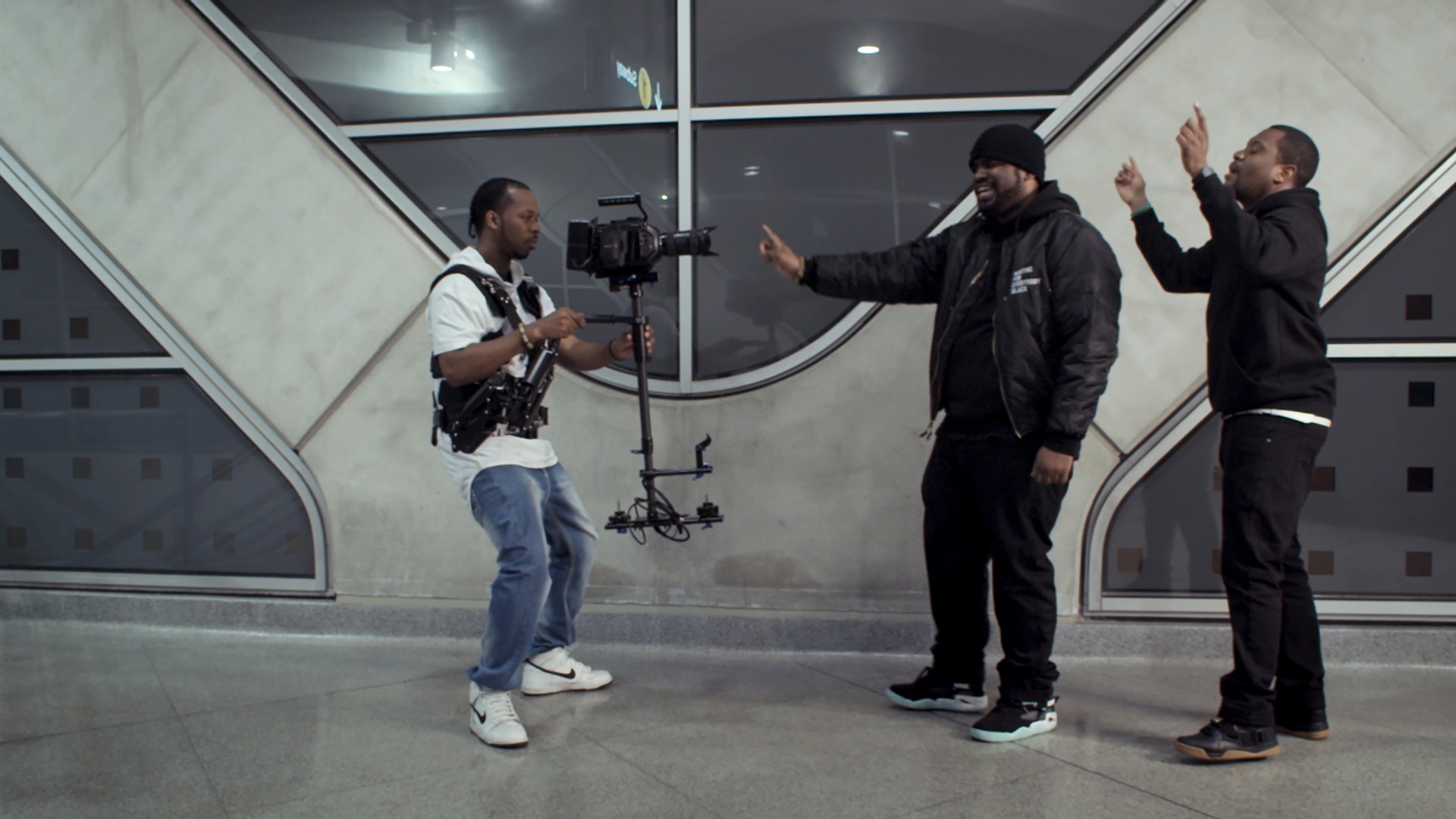
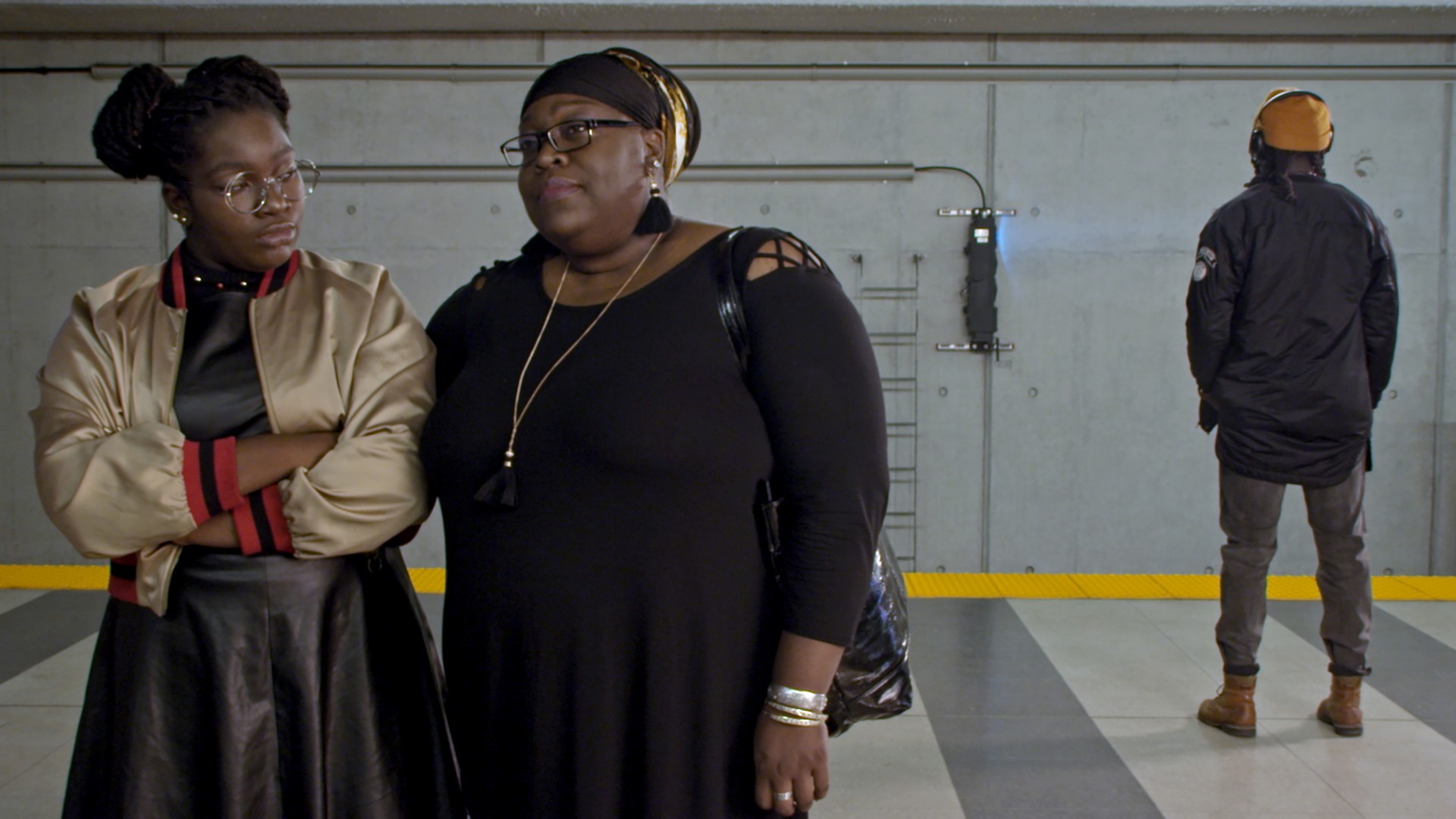
At the center of the exhibition is the newly produced production “Future of Yesterday” (2026). This video installation explores the current hardcore scene in Germany and, in particular, Straight Edge (or “sXe” for short) – a movement that originated on the East Coast of the United States as a “clean” counterculture within the hardcore punk scene. “RISE” (2018) focuses on first- and second-generation Canadians of Afro-Caribbean descent who, in an act of self-empowerment, aristically appropriate the public space of Toronto’s subway using elements of hip-hop and rap. One of Wagner & de Burca’s first works, “Estás vendo coisas / You are seeing things” (2016), in turn explores Brega music from the Brazilian city of Recife, in northeastern Brazil.
A defining characteristic of Wagner & de Burca’s artistic process is their collaborative approach: the groups portrayed are actively involved in the creation of script, set design, music, choreography, and production. Their audiovisual works are a compelling examination of pressing sociopolitical issues within the respective communities of the performers; they draw on cultural forms of expression through which these communities articulate identity and find their public voice. The exhibition takes its title from a poem in the film “RISE”. The works on display frame the subway tunnel as a physical structure in urban space, while at the same time allowing it to serve as a metaphor for transformative processes involving cultural resistance, the negotiation of identity, and artistic expression.
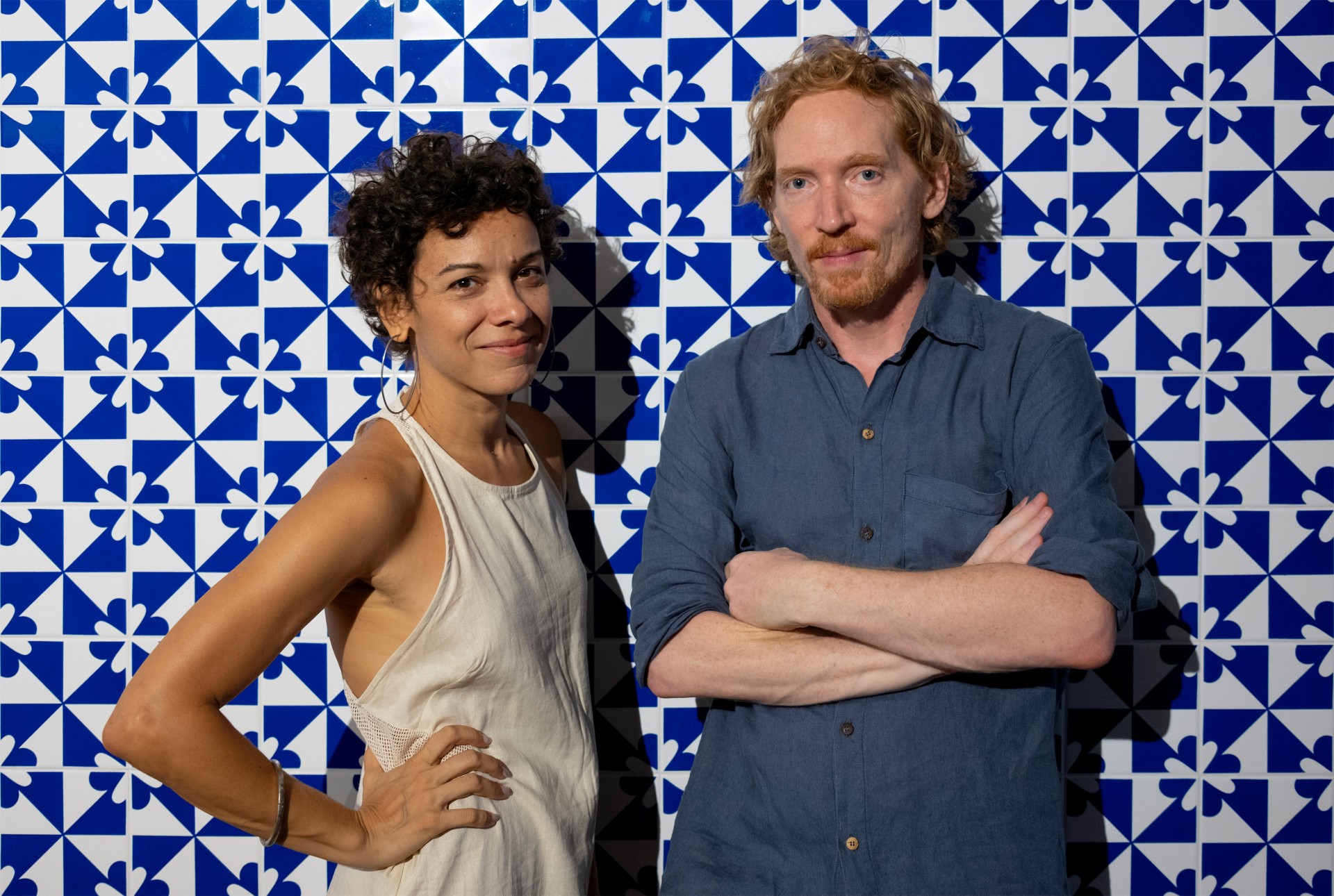
“The unique aspect of their installations is the intense collaborative process with the respective collectives and protagonists across various generations. It is not so much about giving marginalized groups a platform, but about creating encounters between different communities and artists to explore the dynamics of collaboration.”
Katharina Dohm, curator of the exhibition
Straight Edge – Energetic, collective, clean
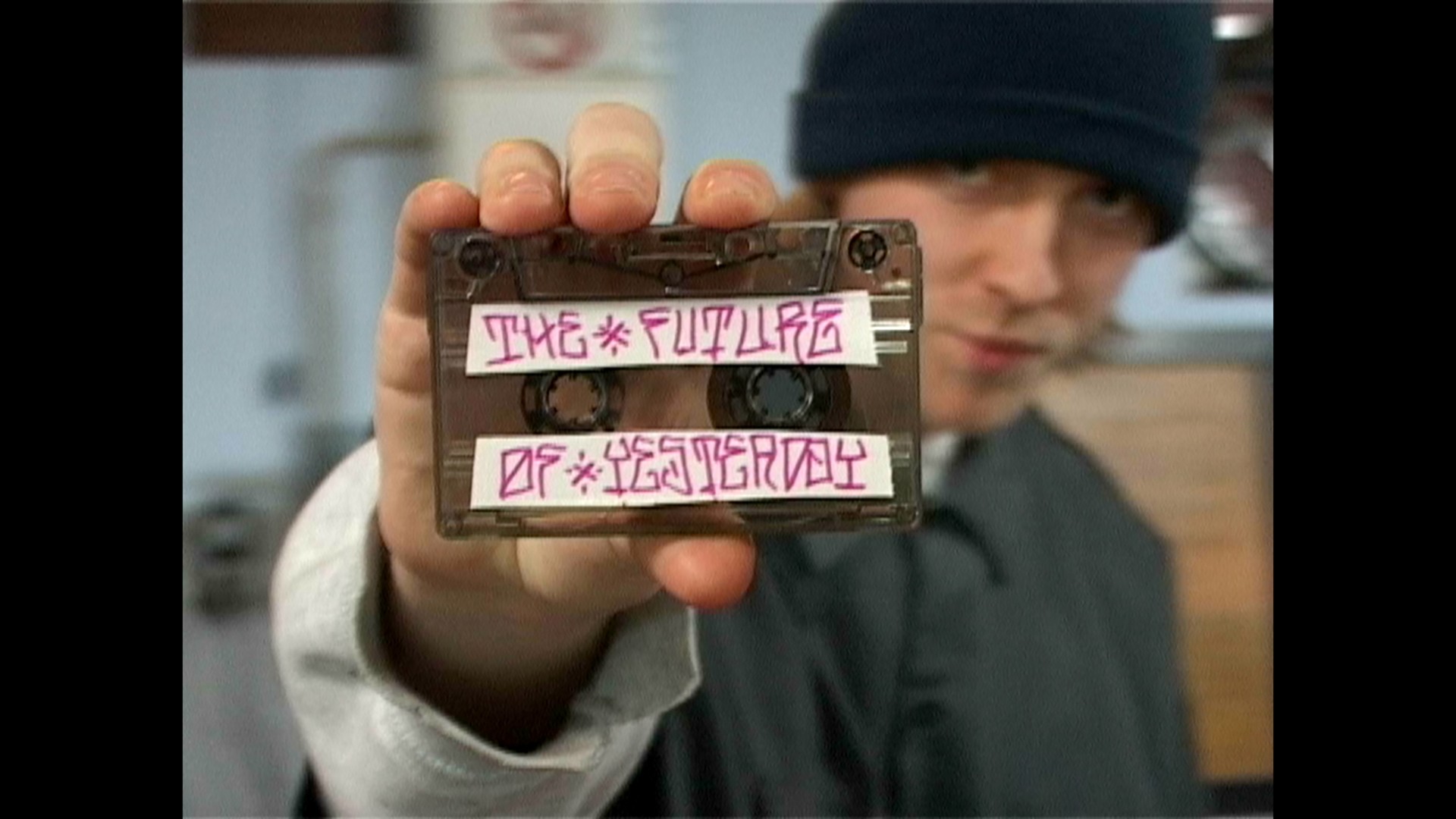
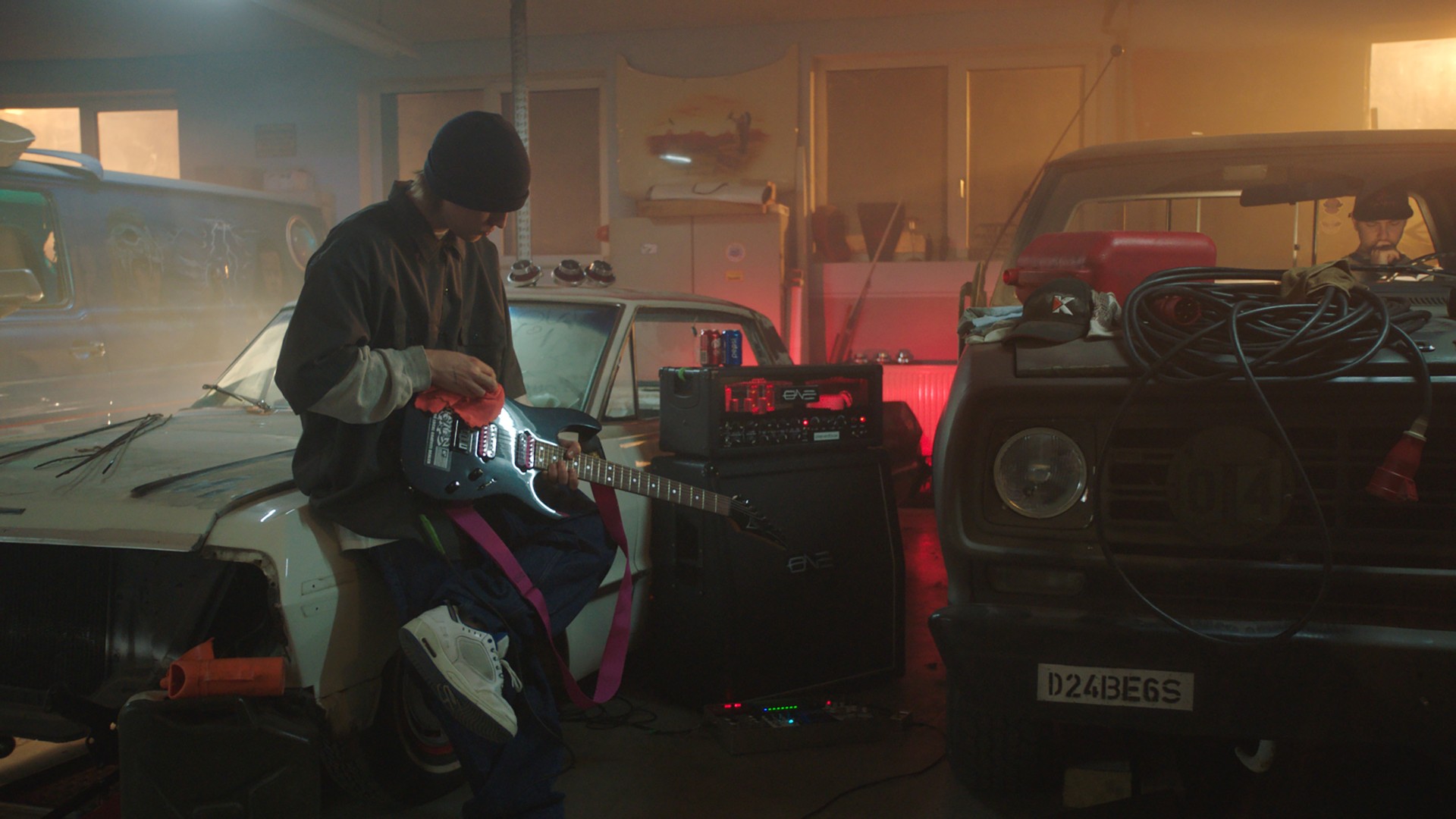
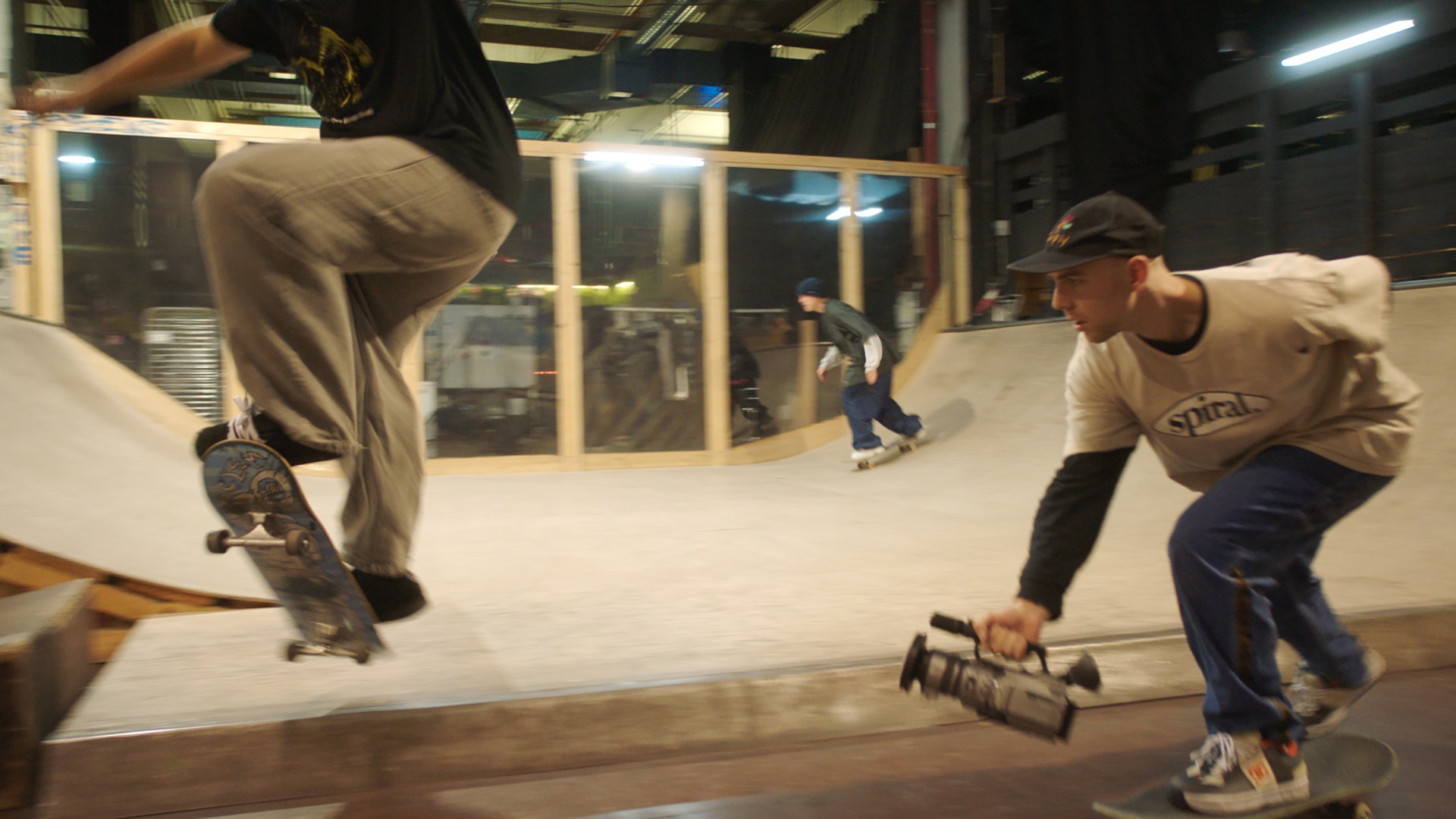
Newly produced specially for this exhibition at the SCHIRN, “Future of Yesterday” (2026) focuses on the Straight Edge movement in Germany, particularly in the Rhine-Main metropolitan region, and leads viewers to significant locations such as skate parks, rehearsal rooms, and hardcore punk concerts.
Emerging as a “clean” counterculture within the hardcore punk scene of the 1980s, Straight Edge positions itself in opposition to self-destructive hedonism and mainstream culture: its members live sober, vegetarian (or vegan) lifestyles and rely on autonomous, noncommercial forms of organization. Abstaining from alcohol and drugs, the small community thrives on the energy and dynamics of their live concerts that offer an opportunity to let off steam regardless of age, background, or interests. The stages, some set directly on the floor, blur the boundary between audience and bands, turning into spaces for collective choreography, physical presence, and mutual respect.
“Future of Yesterday” was created in collaboration with the bands Blinded and One, as well as with other members of the local Straight Edge scene who actively contributed to the creative process of the work. Central to this work is a long, almost uninterrupted tracking shot that brings different generations into a shared temporal space. A rhythmic slow-motion sequence captures the physical effect of hardcore music on a collective body. With the title of the work “Future of Yesterday”, a reference to a song lyric within the film, Wagner & de Burca engage with the shared system of references through which the contemporary scene honors previous generations of hardcore bands, for instance in their own songs or do-it-yourself merchandise.

Tensions between musical tradition and industry, exclusion and recognition
“Estás vendo coisas / You are seeing things” (2016) looks at the Brega scene in Recife in northeastern Brazil. Since the 1970s, this scene has developed from a marginal cultural phenomenon into a successful music industry.
Set in the nightclub Planeta Show, the work was developed in collaboration with musicians who perform there regularly. They belong to the first generation of Brega artists who are able to make a living from their music. However, many of them continue to lead double lives, like the singer Dayana Paixão and the MC Porck, who are centeral to the narrative and work as a firefighter and a hairdresser respectively. The film combines private backstage moments, fictional sequences, and documentary scenes showing Brega music groups around Recife producing their own music videos.
Wagner & de Burca add a filmic layer to their work where messages are conveyed through tempo and rhythm. They explore the dynamic between music tradition and the music industry and highlight how music and dance, as forms of knowledge and culture, can gain social recognition and offer people the opportunity to defy exclusion.
Brega as a musical genre was initially dismissed by the cultural elite; it reflects the emergence of an up-and-coming middle class in Brazil. Brega Rômantico first emerged in modest, homemade recording studios and later evolved into Brega Funk – now commonly regarded as pop music – in which romantic melodies merge with American hip-hop, Brazilian techno, and Caribbean reggaeton. The title of the video work is taken from the song line “It’s all illusion / from your heart / Hallucinations / You are seeing things.”